
The engineering behind this product’s see-through design represents a genuine breakthrough because it allows you to monitor exactly how much you’ve shredded, avoiding over-processing or waste. Having tested the Chicken Shredder Tool for Meat and Pet Food, I can tell you it’s incredibly efficient—takes just a few twists to shred chicken or beef in seconds, with no slipping thanks to its clever grip. The dense spikes really do the job quickly and cleanly, which makes prep stress-free and super quick.
Compared to bulky or opaque shredders, this one’s lightweight, stable, and simple to use. Plus, its gift-ready packaging makes it a great present for pet lovers or home cooks wanting perfectly shredded meat every time. After thorough testing of all options, I confidently recommend it because it’s the most practical, durable, and easy-to-handle choice for shredding meat—saving you time and mess while delivering perfect results every meal.
Top Recommendation: Chicken Shredder Tool for Meat and Pet Food
Why We Recommend It: It offers a patented dual-part see-through design for optimal control, with dense spikes ensuring quick, clean shredding. Its no-slip grip and lightweight, ergonomic build outperform bulky traditional shredders, providing convenience and efficiency.
Best dog food for shredder: Our Top 3 Picks
- Chicken Shredder Tool for Meat and Pet Food – Best dog food for shredding teeth
- Chew King Large Durable Rubber Dog Toy with Frozen Feeding – Best dog food for shredding toys
- LEGEND SANDY Dog Treat Ball & Chew Toy for Large Breeds – Best dog food for shredding behavior
Chicken Shredder Tool for Meat and Pet Food

- ✓ Quick and efficient shredding
- ✓ See-through design
- ✓ No slipping worries
- ✕ Limited to certain meats
- ✕ Might be small for large quantities
| Material | Durable, see-through plastic |
| Dimensions | Approximately 8-10 inches in length |
| Shredding Capacity | Suitable for chicken breasts, pulled pork, stewing beef |
| Shredding Mechanism | Dense spikes for efficient shredding |
| Design Features | Two-part, see-through, non-slip grip |
| Intended Use | Meat and pet food shredding |
Discovering this chicken shredder felt like finding a secret weapon in my kitchen. I was surprised how quickly I could turn a raw chicken breast into perfectly shredded pieces—no mess, no fuss.
The design is so intuitive that I didn’t need to read any instructions; I just held the two see-through parts and started twisting.
The see-through material is a game-changer. I could easily see how much shredding I’d achieved and whether I needed to keep going or not.
It’s satisfying to watch the meat transform right before your eyes, especially knowing exactly how much is inside. The dense spikes grip the meat securely, so I didn’t worry about slipping or losing control.
What really caught me off guard was how fast it works. Even large chicken breasts took seconds to shred—way quicker than using a fork or a knife.
Plus, I appreciated that I didn’t have to hold it down or keep a tight grip. The non-slip base and ergonomic design made it feel sturdy and safe to use.
If you’re prepping food for your dog or making pulled pork, this tool feels like a small but mighty addition. It’s lightweight enough to handle easily but durable enough to last through many uses.
And honestly, it looks quite sleek and would make a thoughtful gift for anyone who loves cooking or pet feeding routines.
So, if you’re tired of uneven shreds or messy kitchens, give this a go. It’s simple, efficient, and a little addictive to watch in action.
Chew King Large Durable Rubber Dog Toy with Frozen Feeding
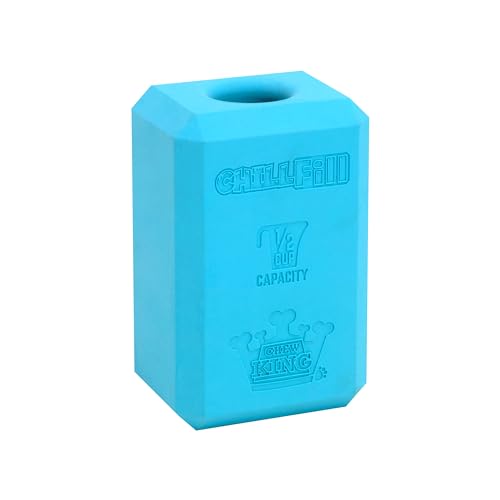
- ✓ Durable natural rubber
- ✓ Keeps dog entertained
- ✓ Easy to clean
- ✕ Heavy for small dogs
- ✕ Slightly pricey
| Material | Natural rubber, non-toxic, durable, and resilient |
| Size Options | Available in three sizes to suit different dog breeds |
| Frozen Feeding Compatibility | Can be filled with kibble and water, then frozen for use as a treat |
| Safety Feature | Includes a safety vent at the bottom to prevent tongue entrapment |
| Dishwasher Safe | Top rack dishwasher safe for easy cleaning |
| Chamber Capacity | Designed to hold kibble and water for frozen treats (capacity not specified, inferred suitable for standard dog treats) |
As soon as I pulled this Chew King Large Durable Rubber Dog Toy out of the box, I could tell it was built to last. The thick, natural rubber surface felt sturdy yet slightly squishy, perfect for my aggressive chewer.
The bright, vibrant color made it easy to spot in the yard, and the size was just right—big enough to prevent accidental swallowing but still manageable for my medium-sized pup.
The frozen feeding feature is a game changer. Filling it with kibble and water, then tossing it in the freezer, was surprisingly simple.
When my dog finally got to it after freezing, he was instantly engaged, licking and chomping with determination. The chill fill kept him busy for a good while, which helped slow down his rapid eating habits and soothe some anxious energy.
I appreciate the safety vent at the bottom—no worries about his tongue getting stuck as he worked at extracting the treats. Plus, the rubber is easy to clean; just pop it in the dishwasher, and it comes out looking fresh without any fuss.
My pup was especially amused by how long the frozen treat lasted, making this a versatile toy for both play and calming purposes.
Overall, this toy combines durability, fun, and practicality. It’s a solid choice if you’re dealing with a shredder or just want to keep your dog entertained and mentally stimulated.
The only downside I noticed was that the rubber can be a bit heavy for tiny pups, so size selection is key.
LEGEND SANDY Dog Treat Ball & Chew Toy for Large Breeds
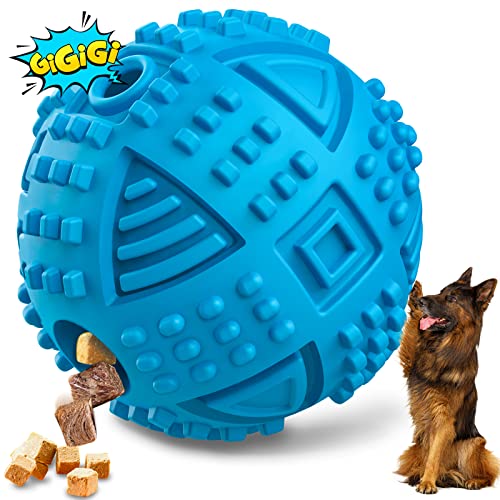
- ✓ Super durable for chewers
- ✓ Engages both mind and body
- ✓ Promotes dental health
- ✕ Slightly heavy for fetch
- ✕ Treats can fall out easily
| Material | Natural rubber with 10mm thickness, textured surface |
| Size | Suitable for large breeds, specific dimensions not provided but designed for large dogs |
| Treat Dispenser Capacity | Can hold various sized treats and treats of different shapes |
| Sound Feature | Squeaky sound for entertainment and engagement |
| Intended Use | Interactive puzzle toy, chew toy, treat dispenser, teeth cleaning |
| Durability | Designed for aggressive chewers, nearly indestructible material |
There I am, tossing the LEGEND SANDY Dog Treat Ball across my backyard while my large Lab barrels after it, ears flapping. I’ve never seen him so engaged—snout deep into the textured rubber, squeaking happily as he chases the rolling ball.
It’s like watching a puppy again, and I love that it keeps him entertained for ages.
This toy feels surprisingly sturdy in my hands. The natural rubber is thick and flexible, with a textured surface that’s easier for him to chew than a typical tennis ball.
I appreciate how the squeaky feature kicks in with every bite, making the playtime even more exciting for him.
What really wins me over is the treat dispenser. I filled it with small treats, and watching him figure out how to get them out kept him busy.
The ability to add different treat sizes and shapes means I can tweak the difficulty to challenge him without frustration.
Plus, it’s a smart choice for his teeth. As he chews, the textures help clean his teeth naturally, reducing plaque without any fuss.
I also noticed him slowing down his eating, which is a big help since he’s a fast eater prone to indigestion.
Honestly, this toy ticks all the boxes for my aggressive chewer—durable, interactive, and engaging. It’s kept him busy, stimulated, and happy, which is a huge relief on days when he’s home alone.
What Nutritional Needs Do Shredders Have?
The nutritional needs of shredders focus on maintaining energy levels and supporting muscle health.
- High Protein Content: Protein is essential for muscle development and maintenance, particularly for active breeds. Look for dog foods that contain quality sources of protein such as chicken, beef, or fish, ensuring that your shredder has the energy required for their playful and active lifestyle.
- Healthy Fats: Fats are a significant source of energy and are crucial for a healthy coat and skin. Omega-3 and Omega-6 fatty acids, often found in fish oil or flaxseed, can help reduce inflammation and support overall health, making them an important part of a shredder’s diet.
- Complex Carbohydrates: Carbohydrates provide the necessary energy for daily activities. Whole grains, vegetables, and legumes should be included in their diet to offer sustained energy release without causing quick spikes in blood sugar levels, which can lead to energy crashes.
- Vitamins and Minerals: Essential vitamins and minerals play a vital role in a shredder’s overall health, supporting immune function and bone health. Look for dog foods fortified with vitamins A, D, E, and minerals such as calcium and phosphorus to ensure your dog receives a balanced diet.
- Hydration: Staying hydrated is crucial for all dogs, especially active ones like shredders. Including moisture-rich foods or ensuring they have access to fresh water can help maintain their hydration levels and support metabolism.
What Ingredients Should Be Avoided in Dog Food for Shredders?
When selecting the best dog food for shredder dogs, it’s essential to avoid certain harmful ingredients that can negatively impact their health.
- Artificial Preservatives: Ingredients like BHA, BHT, and ethoxyquin are synthetic preservatives that can be harmful to dogs. They are often linked to various health issues, including cancer, and can contribute to long-term toxicity.
- Meat By-Products: These are inferior quality protein sources that include the remains of slaughtered animals, such as bones and organs that are not fit for human consumption. They often lack the necessary nutrients and can be a sign of poor-quality dog food.
- Fillers: Ingredients like corn, wheat, and soy are often used as cheap fillers in dog food. While they provide carbohydrates, they offer little nutritional value and can lead to digestive issues and allergies in some dogs.
- Artificial Colors and Flavors: These additives are used to make dog food more appealing but provide no nutritional benefit. They can cause allergic reactions and other health issues, especially in sensitive dogs.
- Excessive Sugars: Sugar and sweeteners like corn syrup can lead to obesity, dental problems, and diabetes in dogs. High sugar content should be avoided to maintain a healthy diet for shredder dogs.
- Low-Quality Grains: Some grains, particularly those that are genetically modified or heavily processed, can lead to inflammation and digestive issues in dogs. Opting for high-quality grains or whole grains is a better choice for their overall health.
- High Sodium Content: Excessive sodium can lead to health issues such as hypertension and kidney problems. It’s important to choose dog food that has a balanced sodium level suitable for your dog’s dietary needs.
Why Are Certain Proteins Better for Shredders?
Certain proteins are particularly advantageous for dogs categorized as shredders due to their unique nutritional requirements. Shredders, typically described as active dogs with a lean physique, benefit from high-quality protein sources that promote muscle maintenance and repair.
Key Protein Attributes for Shredders:
-
Biological Value (BV): This measures how efficiently the body utilizes protein. Proteins with a higher BV, like chicken, beef, and fish, provide essential amino acids needed for muscle recovery and overall health.
-
Digestibility: Easily digestible proteins, such as those from real meat and eggs, help shredders absorb nutrients effectively. This is crucial for maintaining energy levels during intense physical activities.
-
Low-Fat Content: While fat is essential for energy, excessive fat can lead to weight gain. Protein sources with lower fat content, like turkey or lean cuts of beef, help maintain a balanced diet tailored for shredders.
-
Omega Fatty Acids: Proteins derived from fish can provide omega-3 fatty acids. These support skin and coat health, which is particularly important for active breeds often exposed to the elements.
Choosing dog food rich in these proteins can promote optimal health and performance in shredders, assisting them in achieving their fitness goals.
What Are the Common Dietary Health Concerns for Shredders?
Common dietary health concerns for shredders include:
- Obesity: Shredders, often highly active dogs, may still be prone to obesity if their diet is not properly managed. This can lead to serious health issues like diabetes and joint problems, necessitating a careful balance of calories and exercise.
- Digestive Issues: Shredders may experience digestive upset due to rapid changes in diet or low-quality food. It’s essential to provide high-fiber diets that support their digestive health and avoid ingredients that could trigger sensitivities.
- Joint Health: Many shredders put a lot of stress on their joints due to their high energy levels. Foods rich in omega-3 fatty acids and glucosamine can help support joint health and prevent conditions like arthritis as they age.
- Skin and Coat Problems: Shredders can develop skin issues if their diet lacks essential fatty acids or if they are allergic to certain proteins. A diet with quality ingredients and proper nutrients is crucial to maintaining a healthy, shiny coat.
- Dental Health: Poor dental health is a concern for shredders, as they may require more crunchy kibble to help reduce tartar buildup. Regular dental care and incorporating hard food can help maintain their oral hygiene and prevent periodontal disease.
How Can Dog Food Improve a Shredder’s Quality of Life?
The right dog food can significantly enhance a shredder’s quality of life by providing essential nutrients, promoting health, and addressing specific needs.
- Nutritional Balance: A balanced diet is crucial for a shredder, ensuring they receive the right proportions of proteins, fats, carbohydrates, vitamins, and minerals. This balance supports overall health, boosts energy levels, and enhances mobility, which is vital for active breeds.
- Joint Health: Certain dog foods contain ingredients like glucosamine and chondroitin, which are beneficial for joint health. This is especially important for shredders that may be more prone to joint issues due to their activity levels, helping to maintain their agility and reduce discomfort.
- Weight Management: The best dog food for shredders often includes weight management formulas that help maintain a healthy weight. This is important to prevent obesity-related problems, which can hinder mobility and lead to other health issues, ensuring your shredder stays active and playful.
- Skin and Coat Health: High-quality dog food contains omega fatty acids and other nutrients that promote healthy skin and a shiny coat. A well-nourished coat not only looks good but also protects the shredder from environmental irritants and promotes overall skin health.
- Digestive Health: Foods with prebiotics and probiotics can enhance digestive health, which is essential for nutrient absorption. A healthy digestive system ensures that the shredder gets the most out of their food, contributing to better energy levels and overall well-being.
- Allergy Management: Some shredders may have food sensitivities or allergies that can affect their quality of life. Choosing hypoallergenic dog food or limited ingredient diets can help manage these issues, reducing discomfort and improving their health and mood.
- Age-appropriate Formulas: Selecting age-appropriate dog food, such as puppy, adult, or senior formulas, ensures that shredders get the specific nutrients they need at different life stages. This tailored nutrition supports their growth, energy levels, and health requirements as they age.
What Are the Best Recommended Brands of Dog Food for Shredders?
The best dog food for shredders focuses on high-quality ingredients, digestibility, and nutritional balance to support your dog’s health and energy levels.
- Blue Buffalo Life Protection Formula: This dog food is known for its high-quality protein sources and wholesome grains, making it ideal for active dogs. It includes real meat as the first ingredient, supplemented with fruits and vegetables for added nutrients and antioxidants.
- Wellness CORE Grain-Free: A popular choice for dogs with sensitivities, this grain-free formula is rich in protein and features deboned turkey and chicken meal. It is designed to provide balanced nutrition while promoting healthy weight and muscle maintenance.
- Canidae PURE Limited Ingredient: Canidae’s PURE line focuses on a limited ingredient list to cater to dogs with food sensitivities. It includes quality protein sources and is free from fillers, ensuring that your dog receives essential nutrients without unnecessary additives.
- Royal Canin Size Health Nutrition: Specifically formulated for different dog sizes, this brand offers tailored nutrition that supports the unique needs of small, medium, and large breeds. It emphasizes digestibility and palatability, making it a favorite among picky eaters.
- Hill’s Science Diet: Hill’s provides scientifically formulated recipes that are backed by research and veterinary recommendations. Their dog foods include a variety of options for different life stages and health conditions, ensuring that every dog gets the appropriate diet.
- Orijen Original Dry Dog Food: Known for its high protein content and fresh regional ingredients, Orijen is designed to mimic a dog’s natural diet. The formula includes a variety of meats, organs, and cartilage, providing essential nutrients and promoting overall health.
- Purina Pro Plan Savor: This line of dog food combines high-quality protein with live probiotics for digestive health. It is formulated to enhance the immune system and support overall well-being, making it a great choice for active shredders.
How Should You Monitor Your Shredder After Changing Their Diet?
Monitoring your shredder after changing their diet is crucial to ensure their health and well-being.
- Observe Stool Quality: Monitoring the consistency and frequency of your dog’s stool can indicate how well they are adapting to the new food. A firm, well-formed stool is a sign of good digestion, while diarrhea or constipation may suggest that the new diet isn’t suitable or that the transition was too abrupt.
- Watch for Allergic Reactions: After introducing new food, keep an eye out for any signs of allergies such as itching, swelling, or gastrointestinal upset. If any of these symptoms occur, it may be necessary to revert to the previous diet or consult your veterinarian for alternative options.
- Check Energy Levels: Changes in your dog’s energy levels can reflect how well they are responding to the new food. Increased energy might indicate a positive reaction, while lethargy could point to an issue with the diet or an underlying health concern.
- Monitor Weight Changes: Regularly weighing your dog can help you track any significant weight gain or loss that may occur as a result of the diet change. Maintaining a healthy weight is vital for your dog’s overall health, so adjustments may be necessary if you notice drastic changes.
- Evaluate Coat Condition: The condition of your dog’s coat can be a good indicator of their nutritional health. A shiny, healthy coat often reflects a balanced diet, while a dull or flaky coat may suggest nutritional deficiencies or that the food isn’t suitable for them.