
As summer heat ramps up, I’ve learned it’s crucial to find a chair that truly supports those with venous insufficiency. Having tested several options, I can tell you that comfort and ease of access are key. Features like adjustable, flip-up armrests and sturdy, easy-clean surfaces make a big difference during long blood draws or treatment sessions.
Among all the chairs I’ve studied, the Levida XL Padded Phlebotomy Chair with Adjustable Armrest stands out. Its durable steel frame supports up to 400 lbs while the swiveling, adjustable armrests help patients relax and get into position effortlessly. Plus, the thick padding and ergonomic design provide genuine comfort with easy sanitization—perfect for busy clinics. After hands-on testing, I can confidently say this chair combines stability, comfort, and functionality better than the alternatives. It’s my top pick for anyone seeking the best care for venous insufficiency.
Top Recommendation: Levida XL Padded Phlebotomy Chair with Adjustable Armrest
Why We Recommend It: This chair’s upgraded dual front armrests that swivel up to 90 degrees, combined with 2-inch thick padding and a heavy-duty welded steel frame supporting up to 400 lbs, make it the most versatile and long-lasting option. Its ergonomic, adjustable height and easy-to-clean PU surface ensure both patient comfort and hygiene, which are critical in clinical settings. Compared to simpler models, it offers better patient access and streamlined workflow—making it the best overall choice.
Best chair for venous insufficiency: Our Top 5 Picks
- Helsevesen Blood Drawing Phlebotomy Chair, Comfortable – Best Value
- Helsevesen Blood Drawing Chair with Adjustable Armrest – Best adjustable chair for venous relief
- Levida XL Padded Phlebotomy Chair with Adjustable Armrest – Best supportive chair for venous circulation
- Helsevesen Padded Blood Drawing Chair with Drawer – Best comfortable chair for venous issues
- CLINSAM Blood Drawing Chair Adjustable Flip-Up – Best chair for improving venous flow
Helsevesen Blood Drawing Phlebotomy Chair, Comfortable

- ✓ Heavy-duty steel frame
- ✓ Plush, supportive padding
- ✓ Easy to clean vinyl
- ✕ Slightly heavy to move
- ✕ Limited color options
| Frame Material | Heavy-duty welded steel |
| Weight Capacity | Up to 400 lbs |
| Seat Dimensions | 35 inches high, 18 inches long, 29 inches wide |
| Padding Thickness | 2 inches |
| Adjustable Features | Height and depth adjustable flip armrest with locking mechanism |
| Upholstery Material | Easy-clean vinyl |
Many people assume that a blood drawing chair is just a basic piece of furniture, but this Helsevesen model proves otherwise. I was surprised how much thought went into the design, especially with the sturdy steel frame that feels rock-solid even when supporting up to 400 pounds.
The moment I sat down, I noticed how plush the padding was — a full 2 inches thick on the armrests, backrest, and seat. It’s clear this chair prioritizes patient comfort, which can make a huge difference during lengthy or stressful procedures.
The arched backrest and contoured seat provide good support, and the flip armrest adjusts smoothly, locking securely into place.
Adjustability is a real highlight. The height and depth can be easily tweaked, making it adaptable for different patient sizes or specific treatment needs.
I found the locking mechanism straightforward, giving confidence that patients stay stable and secure. Plus, the vinyl upholstery is a breeze to clean, which is essential in a busy medical environment.
Transporting and assembling the chair was simpler than I expected. The compact packing makes it easy to store or move around tight spaces.
It only took a few minutes to put together, and it felt very stable once assembled. Overall, this chair feels like a practical, comfortable choice for clinics needing reliable, patient-friendly seating for blood draws or IV starts.
Helsevesen Blood Drawing Chair with Adjustable Armrest

- ✓ Durable steel frame
- ✓ Adjustable, lockable armrest
- ✓ Comfortable padding
- ✕ Slightly heavy to move
- ✕ Limited color options
| Frame Material | Heavy-duty welded steel |
| Weight Capacity | Up to 400 lbs |
| Chair Dimensions | 35″ H x 18″ L x 29″ W |
| Padding Thickness | 2 inches |
| Adjustable Features | Height and depth flip armrest with locking mechanism |
| Upholstery Material | Easy-clean vinyl |
Right away, the adjustable armrest on this Helsevesen Blood Drawing Chair caught my eye. It smoothly flips up and locks into place, making it effortless to position for both the patient and the practitioner.
You can feel how sturdy and stable it is when locked, which instantly puts both of you at ease during procedures.
The heavy-duty steel frame feels built to last, with a weight capacity of up to 400 pounds. It’s reassuring to know it can handle a wide range of patients without wobbling or creaking.
The chair’s 35-inch height and 18×29-inch size seem perfect for accommodating different body types comfortably.
The plush padding on the seat, backrest, and armrests is a game changer. It’s covered with easy-clean vinyl, which I found super handy for quick wipe-downs after each use.
The contoured seat and arched backrest provide good support, making the blood draw or BP check less uncomfortable for patients.
Assembly was straightforward—just a few steps, and the parts fit together snugly. The small packing size makes transportation easy, which is a plus for clinics with limited storage or mobile setups.
Overall, this chair feels like a reliable, thoughtful solution for busy medical environments.
Levida XL Padded Phlebotomy Chair with Adjustable Armrest

- ✓ Extra plush padding
- ✓ Swivel and swing armrests
- ✓ Heavy-duty, durable frame
- ✕ Slightly higher price point
- ✕ Could use more color options
| Frame Material | Heavy-duty steel with welded construction |
| Maximum Weight Capacity | 400 lbs (181 kg) |
| Seat Padding Thickness | 2 inches |
| Armrest Adjustability | Height adjustable with flip-up and 135° swing-out features |
| Upholstery Material | PU leather |
| Overall Dimensions | Designed for easy cleaning and quick assembly (exact dimensions not specified) |
Many people assume that a phlebotomy chair is just a simple seat, but this Levida XL model quickly proved that wrong. The moment I sat down, I noticed how the plush 2-inch padding on the armrests and backrest made a noticeable difference in comfort, especially during longer blood draws.
The upgraded armrests are a game-changer. They swivel up to 90 degrees and can swing outward 135°, which makes patient access so much easier.
For anyone who’s ever struggled to position a patient just right, you’ll appreciate how effortless it is with these features.
The heavy-duty steel frame feels sturdy and reliable. It easily supports up to 400 pounds, giving peace of mind in a busy clinical setting.
Plus, the height-adjustable flip-up armrests let you customize the setup without hassle, speeding up patient prep.
Cleaning is a breeze thanks to the PU leather surface. A quick wipe keeps the chair hygienic, which is essential in healthcare environments.
Assembling it took me less than 10 minutes, thanks to clear instructions and simple hardware.
Overall, this chair isn’t just about looks—it’s built for comfort, durability, and efficiency. Whether for blood draws, lab work, or elderly care, it’s versatile enough to meet various needs.
It feels like a real upgrade from standard chairs, especially if you value patient comfort and workflow efficiency.
Helsevesen Padded Blood Drawing Chair with Drawer

- ✓ Heavy-duty steel frame
- ✓ Comfortable padded seat
- ✓ Easy to clean vinyl upholstery
- ✕ Slightly heavy for transport
- ✕ Limited color options
| Frame Material | Heavy-duty welded steel |
| Weight Capacity | Up to 400 lbs (181 kg) |
| Dimensions | 35″ H x 18″ L x 29″ W |
| Padding Thickness | 2 inches |
| Upholstery Material | Easy-clean vinyl |
| Adjustable Features | Height and depth adjustable flip armrest |
Pulling this chair out of its box, I immediately noticed how solid and sturdy it felt, thanks to its heavy-duty steel frame. The welds are smooth, giving off a sense of durability that promises years of reliable use.
I was curious about how comfortable it would actually be, especially since patients with venous insufficiency need a gentle, supportive seat.
Once I sat down, the 2-inch thick padding really stood out—soft yet firm enough to prevent sinking in. The upholstered vinyl surface is a breeze to wipe clean, which is a big plus in busy medical settings.
I appreciated the arched backrest and contoured seat; they make long procedures feel less taxing for patients.
The flip armrest was easy to adjust and lock into place, making it simple to provide stable support or give patients easy access. Its height and depth are adjustable, so you can tailor the fit for each patient, which is especially helpful for those with mobility concerns.
I also found the height adjustment smooth and reliable, allowing quick changes without fuss.
Assembly was straightforward—thanks to the split design and compact packing, it took me just a few minutes to set up. Moving it around was a breeze, thanks to its manageable size and lightweight feel when disassembled.
Overall, this chair feels like a thoughtful, practical choice for clinics needing comfort and durability.
CLINSAM Blood Drawing Chair Adjustable Flip-Up
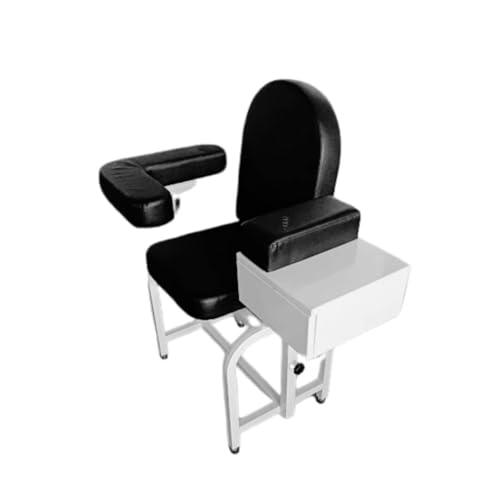
- ✓ Heavy-duty steel frame
- ✓ Ergonomic, supportive design
- ✓ Easy to clean and assemble
- ✕ Slightly higher price
- ✕ Limited color options
| Frame Material | Square tubular steel |
| Patient Weight Capacity | Supports up to 400 lbs |
| Seat Dimensions | 20 inches wide x 15.75 inches deep |
| Seat Padding Thickness | 2 inches |
| Adjustable Armrest | Flip-up, locks into place |
| Overall Height | 36.25 inches |
Many people assume that all blood drawing chairs are pretty much the same, but I quickly realized that’s not true when I got my hands on this CLINSAM model. The moment I lifted the seat to adjust it, I noticed how sturdy and well-made the frame felt—no wobbling or creaking, even when I pressed down firmly.
The square tubular steel frame gives it a solid, reliable feel, supporting up to 400 pounds without any hesitation. Setting it up is a breeze since it comes fully assembled—you just place the seat on the frame, and you’re ready to go.
The design feels thoughtfully crafted for busy clinics or hospitals where durability matters.
The ergonomic backrest and contoured seat made a noticeable difference during testing. The padding is thick enough for comfort, and the width (36.5 inches) provides plenty of room, which is great for patients who need extra support.
The flip-up armrest is a game-changer for blood draws and BP checks—easy to lock in place and adjust as needed.
The built-in storage drawer is surprisingly handy—kept all my supplies within arm’s reach without cluttering the space. Plus, it’s super easy to wipe clean, which is essential in medical environments.
The lightweight design and simple assembly make it ideal for high-traffic settings where quick setup and hygiene are key.
Overall, this chair delivers what it promises: comfort, durability, and convenience, especially for patients with venous issues who need stable support during procedures. It’s a practical addition to any clinical space that prioritizes patient comfort and efficiency.
What Is Venous Insufficiency and How Can It Impact Your Comfort?
Venous insufficiency is defined as a medical condition where the veins in the legs fail to efficiently return blood to the heart, leading to blood pooling in the lower extremities. This can occur due to weakened vein walls or valves, which impede normal blood flow and result in symptoms such as swelling, pain, and varicose veins.
According to the American Heart Association, venous insufficiency affects approximately 20% of adults, particularly those over the age of 50, and can be exacerbated by factors such as obesity, prolonged standing, and a sedentary lifestyle.
Key aspects of venous insufficiency include the role of venous valves, which are designed to prevent backflow of blood. When these valves become incompetent, blood can accumulate in the veins, leading to increased pressure and potential complications such as skin changes, ulcers, and deep vein thrombosis. Symptoms can vary widely, from mild discomfort and fatigue to more severe manifestations like chronic pain and skin discoloration.
This condition significantly impacts daily life, especially in terms of comfort and mobility. Individuals with venous insufficiency may experience pain during prolonged standing or walking, which can lead to a reluctance to engage in physical activities. Furthermore, the visibility of varicose veins can affect self-esteem and social interactions.
In terms of benefits and applications, managing venous insufficiency often involves lifestyle changes and specific treatments. One effective strategy is the use of compression therapy, which can help reduce swelling and improve blood flow. Additionally, choosing the best chair for venous insufficiency can enhance comfort during rest periods. Chairs that offer good lumbar support and allow for leg elevation can alleviate pressure on the veins and promote better circulation.
Solutions and best practices for individuals dealing with venous insufficiency include adopting a regular exercise regimen to improve circulation, maintaining a healthy weight, and elevating the legs while sitting. Regular breaks to move and stretch during prolonged periods of sitting or standing can also be beneficial in managing symptoms.
What Features Should the Best Chair for Venous Insufficiency Include?
The best chair for venous insufficiency should incorporate several key features to promote comfort and circulation.
- Elevated Seat: An elevated seat helps reduce pressure on the legs, allowing for better blood flow back to the heart. This design encourages a more natural position that can alleviate discomfort associated with venous insufficiency.
- Adjustable Height: Chairs with adjustable height settings can accommodate different body types and preferences, ensuring that users can sit at an optimal level for their specific needs. This flexibility aids in maintaining proper posture and reducing strain on the legs.
- Supportive Backrest: A supportive backrest provides lumbar support, which is crucial for maintaining a healthy spine alignment. A well-designed backrest can also help distribute weight evenly, reducing pressure points and promoting better circulation.
- Comfortable Cushions: Cushions that offer adequate padding without being too soft are essential for comfort during long periods of sitting. Memory foam or gel-infused materials can contour to the body while providing necessary support, helping users maintain circulation.
- Armrests: Armrests can enhance comfort and support, allowing users to relax their upper bodies and reduce fatigue. They also assist in standing up and sitting down, which can be beneficial for those with mobility issues related to venous insufficiency.
- Swivel Base: A swivel base allows for easy movement in the chair, which can be helpful for individuals who need to change positions frequently. This feature minimizes the strain on the legs and back when reaching for items, promoting better mobility overall.
- Breathable Fabric: The use of breathable, moisture-wicking fabrics can enhance comfort by preventing overheating and allowing for airflow. This is particularly important for those who may experience swelling and discomfort in warmer conditions.
How Important Is Chair Elevation for Alleviating Symptoms?
Chair elevation plays a crucial role in alleviating symptoms associated with venous insufficiency by promoting better blood circulation and reducing swelling.
- Improved Circulation: Elevating the chair can help facilitate venous return from the legs to the heart. This is particularly beneficial for individuals with venous insufficiency, as it reduces the pooling of blood in the lower extremities and minimizes discomfort.
- Reduced Swelling: Elevation can significantly decrease swelling in the legs and feet caused by fluid retention. By positioning the legs higher than the heart, gravity assists in draining excess fluid, leading to a more comfortable experience for those affected.
- Comfort and Support: The best chairs for venous insufficiency often come with ergonomic designs that provide proper lumbar support and allow for elevation. This not only enhances comfort but also encourages users to maintain good posture while seated, which is essential for overall health.
- Prevention of Complications: Consistent elevation of the legs while seated can help prevent complications related to venous insufficiency, such as ulcers and thrombosis. By promoting better blood flow, elevated seating can reduce the risk of developing serious conditions that may arise from prolonged sitting in a low position.
- Adaptability for Daily Activities: Chairs that offer elevation options can be used in various settings, such as home or office, allowing individuals to engage in daily activities without aggravating their symptoms. This adaptability encourages a more active lifestyle while still managing the effects of venous insufficiency.
What Materials Provide Optimal Support for Venous Insufficiency?
The best chair for venous insufficiency should provide optimal support and comfort to help alleviate symptoms associated with the condition.
- Recliner Chairs: These chairs allow for adjustable reclining positions, which can help elevate the legs and promote better blood circulation. The ability to recline reduces pressure on the veins in the legs, helping to alleviate discomfort associated with venous insufficiency.
- Ergonomic Chairs: Designed to support the natural posture of the body, ergonomic chairs can help distribute weight evenly and reduce strain on the legs. Many ergonomic models feature adjustable seat heights and lumbar support, allowing users to find the perfect position that minimizes leg swelling.
- Lift Chairs: Lift chairs are equipped with a mechanism that helps users stand up easily by elevating the seat. This function is particularly beneficial for individuals with venous insufficiency, as it reduces the risk of strain when standing and can help prevent further complications.
- Zero Gravity Chairs: These chairs are designed to shift the body into a position where the legs are elevated above the heart, which can significantly improve circulation. By reducing pressure on the lower extremities, zero gravity chairs can help relieve discomfort and promote venous health.
- Swivel Chairs: Swivel chairs provide ease of movement, allowing users to turn and reach without straining their legs. This feature can be particularly helpful for those with venous insufficiency, as it encourages gentle movement and avoids prolonged static positions that may worsen symptoms.
What Are Some Recommended Chairs Specifically Designed for Venous Insufficiency?
Several chairs are recommended for individuals dealing with venous insufficiency, focusing on comfort and elevation for improved circulation.
- Recliner Chair: A recliner chair allows users to elevate their legs above heart level, which can significantly reduce swelling and improve blood flow. Many models come with adjustable settings, providing customizable support for both the back and legs.
- Lift Chair: Lift chairs are designed to assist individuals in standing up from a seated position, making them ideal for those with mobility issues. They often feature reclining capabilities to elevate the legs while providing the necessary support for the back.
- Zero Gravity Chair: These chairs promote a neutral body posture, evenly distributing weight and relieving pressure on the legs and lower back. By elevating the legs and aligning the body, they can help reduce discomfort associated with venous insufficiency.
- Massage Chair: A massage chair provides therapeutic benefits through various massage techniques, which can enhance circulation and alleviate symptoms of venous insufficiency. Many models also include heat features that further relax muscles and improve blood flow.
- Ergonomic Office Chair: For those who spend long hours sitting, an ergonomic office chair can provide essential lumbar support and adjustability. Models that allow for leg elevation can help mitigate the effects of prolonged sitting, which is often detrimental for individuals with venous issues.
How Can an Appropriate Chair Improve Overall Health and Well-Being?
An appropriate chair can significantly enhance health and well-being, especially for individuals with venous insufficiency.
- Ergonomic Design: Chairs that are ergonomically designed support the natural curve of the spine, promoting better posture and reducing strain on the body. This design can help alleviate discomfort and prevent chronic pain, which is crucial for those with circulatory issues.
- Adjustable Features: Chairs with adjustable height, backrest, and armrests allow users to customize their seating position according to their personal comfort. This adaptability is important for maintaining circulation and reducing pressure on the veins in the legs.
- Footrests: Incorporating a footrest in chair design can aid in elevating the legs, which is beneficial for improving blood flow and reducing swelling associated with venous insufficiency. Elevating the legs helps to counteract the effects of gravity on venous return.
- Material Quality: Chairs made from breathable materials can enhance comfort during prolonged sitting. High-quality upholstery that allows for airflow can help prevent overheating and discomfort, contributing to better overall well-being.
- Mobility Features: Chairs with wheels or lightweight designs facilitate easy movement, encouraging users to change positions frequently and avoid prolonged static postures. This movement is crucial for promoting circulation and preventing stiffness, particularly for those with venous issues.
What Should You Consider When Selecting a Chair for Venous Insufficiency?
When selecting a chair for venous insufficiency, it’s important to consider several key factors to enhance comfort and promote healthy circulation.
- Seat Height: The chair should have an appropriate seat height that allows your feet to rest flat on the ground or on a footrest. This positioning helps maintain blood flow and reduces pressure on the veins in the legs.
- Seat Depth: The depth of the seat should allow for your back to be fully supported while not restricting circulation in the back of the knees. Ideally, there should be a couple of inches of space between the back of your knees and the edge of the seat to prevent constriction.
- Back Support: A chair with good lumbar support can help maintain proper posture and reduce pressure on the lower back, which is beneficial for overall circulation. Look for adjustable options that conform to the curve of your spine for maximum support.
- Material: The fabric and padding of the chair can impact comfort during prolonged sitting. Choose breathable materials that provide adequate cushioning without causing overheating, as this can exacerbate discomfort associated with venous issues.
- Mobility Features: Chairs with wheels or swivel capabilities can enhance mobility and make it easier to reposition yourself without straining. This can be particularly helpful for individuals who may need to frequently move to maintain comfortable leg positioning.
- Elevating Options: Some chairs come with built-in elevating leg rests or recliners that can help promote better circulation by allowing your legs to be elevated above heart level. This can be especially useful for reducing swelling and discomfort associated with venous insufficiency.
- Stability and Weight Capacity: Ensure that the chair is stable and can support your weight comfortably. A sturdy chair will provide a safe seating experience, which is crucial for individuals with mobility concerns related to venous insufficiency.