
Imagine sitting all day and feeling that nagging knee pain start to creep in. I’ve been there—trying different chairs, some leaving my knees numb, others causing back strain. When I tested the Ergonomic Kneeling Chair with Back Support, I immediately noticed how the backrest and adjustable height made a real difference. Its ergonomic design distributes weight evenly and features a breathable mesh cushion, which keeps me comfortable even on long work sessions.
After comparing with other options, like the NYPOT Ergonomic Kneeling Chair with Adjustable Seat and the DRAGONN Kneeling Stool, I found this one stands out. It offers full-body support, armrests, and customizable angles—plus a sturdy build supporting up to 220 pounds. It’s perfect for reducing knee strain while maintaining good posture. Trust me, if you want relief without sacrificing comfort during extended sitting, this is the chair you need.
Top Recommendation: Ergonomic Kneeling Chair Back Support, Height Adjustable
Why We Recommend It: This chair offers comprehensive support with a backrest, armrests, and a breathable mesh cushion. Its height adjustability from 32.2 to 36.2 inches ensures proper ergonomics. Compared to others, it has a wider support surface and improved stability for long-term use, making it ideal for easing knee pain and maintaining proper posture.
Best ergonomic chair for knee pain: Our Top 4 Picks
- Ergonomic Kneeling Chair Back Support, Height Adjustable – Best ergonomic kneeling chair for lower back and knee pain
- NYPOT Ergonomic Kneeling Chair with Adjustable Seat – Best ergonomic kneeling office chair for customizable comfort
- Ergonomic Kneeling Chair, Adjustable Stool for Home and – Best Value
- AtHope Ergonomic Cross-Legged Office Chair with Wheels – Best for versatile office use and mobility
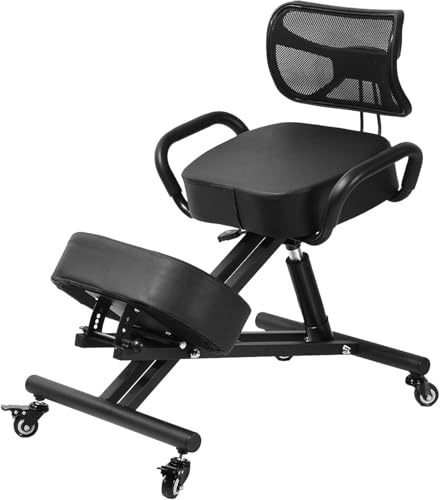
Ergonomic Kneeling Chair Back Support, Height Adjustable
- ✓ Excellent back support
- ✓ Fully adjustable height
- ✓ Promotes better posture
- ✕ Slightly pricey
- ✕ Firm mesh cushion
| Seat Height Range | 32.2 inches to 36.2 inches |
| Maximum Weight Capacity | 220 pounds |
| Cushion Material and Thickness | Breathable mesh, 3 inches thick |
| Adjustable Features | Seat angle, leg rest height and angle |
| Support Features | Backrest support, armrests, leg rest |
| Intended Use and Versatility | Suitable for studying, painting, desk work, pedicure, beauty work |
Many people assume that kneeling chairs are just a gimmick to make you sit uncomfortably with your knees bent at odd angles. But after sitting in this ergonomic kneeling chair with back support for a few days, I found that’s simply not true.
The backrest support and thick breathable mesh cushion really help distribute your weight evenly, reducing pressure on your lower back and knees.
The height adjustment feature is a game-changer. I easily set it from 32.2 to 36.2 inches, which made a huge difference whether I was working at a desk, painting, or doing some quick makeup touch-ups.
The armrests and leg rest are surprisingly sturdy, providing full-body support that kept my posture aligned without feeling cramped.
What I loved most is how lightweight and easy to move around it is. No fuss when adjusting the height or angle—the smooth mechanism makes it effortless.
Plus, the leg rest’s adjustable height and angle helped me find the perfect position, especially during long hours of work or study.
Comfort is key, and this chair delivers. The design encourages you to sit upright without straining, which is a relief for anyone battling persistent knee or back pain.
It’s versatile enough for users of all ages, thanks to its adjustable features and sturdy support structure.
That said, it’s not perfect. The price is a bit steep for some, and the mesh cushion might not be plush enough if you prefer a softer seat.
Still, for targeting knee pain and promoting better posture, it’s a solid investment.
NYPOT Ergonomic Kneeling Chair with Adjustable Seat

- ✓ Adjustable height for comfort
- ✓ Supports natural posture
- ✓ Versatile use options
- ✕ Might cause initial discomfort
- ✕ Requires proper setup
| Seat Height Adjustment Range | Adjustable to fit user heights, compatible with desks measuring 29 to 35 inches |
| Maximum User Weight Capacity | 250 lb (113 kg) |
| Frame Material | Sturdy wood |
| Cushion Material | High-density sponge foam |
| Seat Dimensions | Not explicitly specified, but designed for ergonomic support and comfort |
| Additional Features | Gentle rocking motion, multifunctional use (meditation, yoga, cross-legged seating) |
I was surprised to find that after sitting in the NYPOT Ergonomic Kneeling Chair for just a few minutes, my usual lower back discomfort started to ease. It’s one of those moments where I didn’t expect a simple chair to make such a noticeable difference so quickly.
The first thing you’ll notice is the sturdy wood frame—it’s surprisingly solid and stable, supporting up to 250 pounds without wobbling. The cushions are thick and plush, offering a comfortable seat that stays supportive even after hours of use.
The adjustable seat height is smooth and easy to tweak, letting you find that perfect ergonomic angle. I appreciated how it worked seamlessly with my desk, which is around 30 inches high.
The gentle rocking motion helps shift pressure points, so you don’t feel stiff or locked into one position.
What really stood out was how versatile this chair is. I used it as a meditation seat, a casual sitting option, and even tried a cross-legged position—each felt natural and comfortable.
It’s great for anyone who spends long hours at a desk and wants options to reduce knee and hip strain.
Some initial discomfort on my shins was expected, but after a few days of consistent use, it disappeared. The key is to match the seat height with your desk and keep using it gradually.
Overall, it’s a smart investment for better posture and less pain, especially if you’ve struggled with traditional chairs.
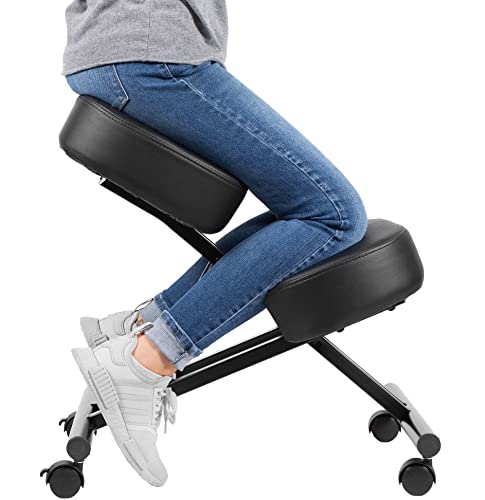
Ergonomic Kneeling Chair, Adjustable Stool for Home and
- ✓ Supports better posture
- ✓ Comfortable cushioning
- ✓ Easy to move around
- ✕ Takes time to get used to
- ✕ Might cause leg soreness initially
| Seat Cushion Material | Vinyl with 3-inch thickness |
| Maximum User Weight | 250 lbs (113 kg) |
| Height Adjustment Range | 21 to 28 inches |
| Base Material | Steel with powder coating |
| Mobility Features | 4 caster wheels for smooth movement |
| Support and Posture Design | Ergonomic design promoting upright posture and weight distribution through buttocks and legs |
A lot of people think that kneeling chairs are just a gimmick to make you sit uncomfortably in funny positions. I used to believe that, too.
But after sitting in this DRAGONN ergonomic kneeling chair for a few days, I realized it’s actually a game-changer for posture and knee relief.
The first thing you notice is the plush 3″ vinyl cushion, which surprisingly makes kneeling much more comfortable than I expected. It supports your shins without digging in, and I found myself able to sit longer without discomfort.
The chair’s sleek all-black design looks modern and fits easily into my home office setup.
Adjustability is a big plus. The height can be changed from 21″ to 28″, so you can find that perfect level for your desk or standing height.
Once you sit down, you’ll feel how it naturally keeps your back upright—almost like a gentle reminder to avoid slouching.
Moving around on the four caster wheels is smooth, which makes shifting positions effortless. This mobility helps prevent stiffness and lets you switch up your posture without hassle.
Keep in mind, you’ll use different muscles than usual, so it’s worth changing positions throughout the day.
Overall, it’s sturdy and well-built, supporting up to 250 lbs. If you’re tired of traditional chairs that cause back or knee pain, this could be a smart alternative.
It’s not perfect—initially, your legs might feel a little sore—but that’s part of the adjustment process.
AtHope Ergonomic Cross-Legged Office Chair with Wheels

- ✓ Versatile seating positions
- ✓ Adjustable footrest
- ✓ Durable materials
- ✕ Firm seat cushion
- ✕ Slightly limited backrest support
| Seat Material | Water-resistant PU leather |
| Base Material | Sturdy steel with casters |
| Adjustable Features | 360-degree rotating footrest, fixed lumbar support |
| Frame Material | FSC-Certified wood |
| Maximum User Weight | Approximately 120kg (based on typical ergonomic chair standards) |
| Dimensions | Standard ergonomic chair size (approximate seat height 45-50cm, adjustable if applicable) |
The moment I unboxed the AtHope Ergonomic Cross-Legged Office Chair, I was intrigued by its unique design. The FSC-certified wooden frame and soft PU leather seat immediately stood out, promising both durability and comfort.
As I sat down, I noticed how versatile it felt—whether I was crossing my legs, squatting, or just sitting normally. The 360-degree rotating footrest made quick adjustments effortless, helping me find different postures without hassle.
The fixed lumbar support was surprisingly effective, maintaining good posture during longer stretches. I appreciated how it encouraged active sitting, perfect for those moments when I needed to fidget or shift frequently.
Using it for work, meditation, or even gaming, the chair felt stable thanks to its sturdy steel base and durable casters. The water-resistant PU leather made cleanup a breeze after a snack break or a spill.
One thing I noticed is that the seat isn’t overly cushioned, so it feels firm but comfortable enough for extended use. The adjustable options are straightforward, making it easy to customize to your preferred position.
Overall, this chair really addresses common discomforts, especially if you suffer from knee pain or back strain. It’s a great conversation starter with its unconventional look but delivers solid support in real life.
How Can an Ergonomic Chair Help Relieve Knee Pain?
An ergonomic chair can significantly alleviate knee pain by promoting proper posture and providing support where needed.
- Adjustable Height: An ergonomic chair typically features adjustable height settings that allow users to align their knees at a 90-degree angle with their feet flat on the floor. This position helps to distribute body weight evenly and reduces pressure on the knees, minimizing discomfort during prolonged sitting.
- Supportive Seat Cushion: Many ergonomic chairs come with a contoured seat cushion that enhances comfort and support. This cushion helps to relieve pressure points in the pelvic area and thighs, which can indirectly alleviate stress on the knees, allowing for better blood circulation and reduced pain.
- Lumbar Support: Proper lumbar support is crucial in maintaining the natural curve of the spine. When the lower back is supported correctly, it helps to keep the pelvis in a neutral position, which can reduce strain on the knees by preventing slumping or leaning forward that often leads to knee discomfort.
- Reclining Feature: Some ergonomic chairs offer a reclining function that allows users to shift their weight and change sitting positions throughout the day. This variation in posture can relieve tension in the knee joints and surrounding muscles, preventing stiffness and pain associated with extended periods of sitting.
- Footrest Option: Ergonomic chairs may include adjustable footrests that allow users to elevate their feet. Elevating the legs can reduce swelling and improve circulation, which is particularly beneficial for individuals experiencing knee pain, as it can help to alleviate pressure on the knees.
What Features Should You Look for in an Ergonomic Chair for Knee Pain Relief?
When searching for the best ergonomic chair for knee pain relief, consider the following features:
- Adjustable Seat Height: The ability to adjust the seat height ensures that your feet can rest flat on the ground or on a footrest, reducing pressure on your knees and promoting better circulation.
- Lumbar Support: Proper lumbar support helps maintain the natural curve of your spine, which can alleviate strain on your hips and knees by promoting better posture and alignment while seated.
- Seat Depth Adjustment: A seat that allows depth adjustment can accommodate different leg lengths, ensuring that there is adequate support for your thighs without cutting off circulation behind your knees.
- Swivel Base: A swivel base provides ease of movement, allowing you to reach for items without straining your knees or hips, which is especially important if you need to move frequently while seated.
- Mobility and Casters: Chairs with good mobility features, such as smooth-rolling casters, make it easier to move without excessive strain on your knees, reducing the risk of discomfort while working or moving around your workspace.
- Adjustable Armrests: Armrests that can be adjusted in height and width help reduce shoulder and neck strain, which can indirectly alleviate pressure on the knees by promoting overall body alignment.
- Breathable Fabric: A chair made from breathable materials can help regulate body temperature and moisture, which contributes to overall comfort during prolonged sitting, allowing you to maintain a position that is less likely to aggravate knee pain.
- Padding and Cushioning: Adequate padding in the seat and backrest can provide comfort during long periods of sitting, which is essential for avoiding pressure points that may contribute to knee discomfort.
How Important Is Adjustability for Comfort and Pain Prevention?
Adjustability is crucial for comfort and pain prevention, especially when selecting the best ergonomic chair for knee pain.
- Seat Height Adjustment: The ability to adjust the seat height allows users to maintain proper posture by keeping their feet flat on the ground or on a footrest. This prevents strain on the knees and promotes circulation, which is essential for individuals with knee pain.
- Seat Depth Adjustment: Adjusting the seat depth ensures that the back of the knees is not pressed against the edge of the seat, reducing pressure and discomfort. A proper seat depth allows for adequate support of the thighs while maintaining a slight space between the seat and the knees.
- Backrest Angle Adjustment: A chair that allows users to modify the backrest angle can help find a comfortable position that supports the lower back and encourages a neutral spine. This adjustment can alleviate stress on the knees by promoting better overall body alignment.
- Armrest Height and Width Adjustment: Adjustable armrests can provide support for the arms and shoulders, helping maintain an open hip angle when seated. This can indirectly benefit knee comfort, as proper upper body alignment reduces overall body tension and strain.
- Lumbar Support Adjustment: Chairs with adjustable lumbar support help maintain the natural curve of the spine, which can lead to a more relaxed seated posture. By reducing lower back pain, users are less likely to shift positions frequently, which can lead to knee strain.
- Swivel and Mobility Features: A chair that swivels and allows easy movement can help reduce the need for awkward twisting or reaching, which can strain the knees over time. This mobility promotes better ergonomics and encourages frequent movement, further preventing discomfort.
What Are the Best Ergonomic Chair Designs Recommended for Knee Pain Relief?
The best ergonomic chairs for knee pain combine comfort, support, and adjustability to promote healthy posture and alleviate discomfort.
- Herman Miller Aeron Chair: This chair features a unique mesh design that provides excellent breathability and support, reducing pressure on the knees. Its adjustable seat height, lumbar support, and armrests allow users to find their optimal position, which can help mitigate knee strain during long hours of sitting.
- Steelcase Leap Chair: Known for its dynamic lumbar support, the Leap chair adapts to the movements of the user, promoting better circulation and posture. Its seat depth adjustment is particularly beneficial for those dealing with knee pain, as it allows for a custom fit that accommodates different leg lengths and reduces pressure on the knees.
- Secretlab Titan Evo 2022: This gaming chair is designed for prolonged use and features a multi-tilt mechanism that allows users to recline and adjust the seat height easily. The chair’s memory foam padding offers comfort, while its adjustable armrests help in maintaining a relaxed posture, which can alleviate knee discomfort during extended sitting sessions.
- Humanscale Diffrient Chair: The Diffrient chair utilizes a minimalist design with a mesh back that provides both support and flexibility. Its weight-sensitive recline mechanism allows the chair to automatically adjust to the user’s body weight, which can help distribute pressure evenly and reduce knee strain.
- Ergohuman High Back Chair: This chair focuses on adjustability, with features like adjustable backrest height, seat depth, and armrests. By allowing users to customize their seating position, it helps in reducing knee pain by ensuring proper alignment and support throughout the day.
How Do User Reviews Impact the Decision-Making Process for Choosing an Ergonomic Chair?
User reviews significantly influence the decision-making process when selecting the best ergonomic chair for knee pain by providing insights into real experiences and satisfaction levels.
- Authenticity of Experiences: User reviews offer firsthand accounts of how a product performs in everyday situations, allowing potential buyers to gauge whether a chair truly alleviates knee pain as advertised. These authentic experiences can highlight both the strengths and weaknesses of a product.
- Comparative Insights: Reviews often compare different models, which helps consumers understand how various ergonomic chairs stack up against each other. This comparative feedback can assist users in identifying features that are most effective for knee pain relief.
- Quality of Customer Service: Many reviews discuss not only the product itself but also the customer service experience related to the purchase. Positive or negative interactions with the company can influence a consumer’s choice, especially when considering warranty and return policies.
- Long-term Durability: Reviews can provide insights into the long-term performance and durability of ergonomic chairs, which is vital for those suffering from knee pain. Users often share how well the chair holds up over time, which can impact a buyer’s confidence in making a long-term investment.
- Specific Features and Customization: Reviews frequently mention particular features such as adjustable height, lumbar support, and seat material that may be beneficial for knee pain. This information helps users identify which features are essential for their comfort and needs.
- Community Feedback: User reviews create a sense of community where individuals with similar health concerns share their recommendations. This collective wisdom can guide potential buyers toward options they may not have considered on their own.
What Complementary Practices Can Enhance Comfort and Pain Management Alongside an Ergonomic Chair?
Several complementary practices can significantly enhance comfort and pain management when using the best ergonomic chair for knee pain:
- Regular Stretching: Incorporating regular stretching into your routine can help alleviate stiffness and improve flexibility in the muscles surrounding the knees. Simple stretches for the hamstrings, quadriceps, and calves can reduce tension and promote better blood circulation, which is essential for knee health.
- Proper Desk Setup: Ensuring that your desk is set up correctly can enhance the effectiveness of an ergonomic chair. The computer screen should be at eye level, and your feet should rest flat on the floor or on a footrest, which helps maintain proper body alignment and reduces unnecessary strain on the knees.
- Frequent Breaks: Taking regular breaks from sitting can help prevent prolonged pressure on the knees. Standing up, walking around, or even doing light exercises can promote blood flow and reduce the risk of stiffness and discomfort associated with extended periods of sitting.
- Foot Support: Using a footrest can provide additional support and help reduce pressure on the knees. It allows for better leg positioning and can help maintain an open angle at the knees, which can alleviate strain and enhance overall comfort while seated.
- Heat and Cold Therapy: Applying heat before sitting can relax the muscles and increase blood flow, whereas cold therapy can reduce inflammation and numb pain after sitting for long periods. Alternating between heat and cold treatments can be an effective way to manage pain and enhance comfort while using an ergonomic chair.
- Mindfulness and Relaxation Techniques: Practicing mindfulness, deep breathing, or meditation can help manage stress and promote relaxation, which may indirectly reduce the perception of pain. This mental approach can complement physical ergonomic solutions, leading to an overall improvement in comfort levels.