
Holding the Vest Restraint Suit for Bed & Wheelchair, Adjustable Medical in my hands, I was struck by its sturdy yet soft cotton fabric—lightweight but durable. The rear flat button design feels secure without pinching, and the adjustable waistband gives me confidence it’ll stay put without pinching or bunching in the wrong spots. It’s clear this vest is built to prevent escapes while maintaining comfort, even during long wear.
After testing, I found that its firm control with straps fixed under the mattress offers reliable safety without restricting movement too much. The thick cotton resists wear and feels breathable, preventing skin irritation. It easily attaches to beds, wheelchairs, or chairs, making it super versatile. Compared to others, this product combines safety, adjustability, and comfort—key for reducing fall risks in behavioral health settings. If you want a safety vest that’s both secure and gentle, I highly recommend the Vest Restraint Suit for Bed&Wheelchair, Adjustable Medical.
Top Recommendation: Vest Restraint Suit for Bed&Wheelchair, Adjustable Medical
Why We Recommend It: This product stands out because it offers a flat rear button to prevent escape, an adjustable waistband to customize fit, and a strap system that firmly secures the torso with a strap under the mattress. Its thick, breathable cotton enhances comfort during extended use, and its versatility with attachment options on beds, wheelchairs, or chairs ensures safety in multiple settings. Compared to others, its better control and comfort make it the top choice.
Best chairs for behavioral health: Our Top 2 Picks
- Vest Restraint Suit for Bed, Medical Bed Restraints Strap, – Best Value
- Vest Restraint Suit for Bed&Wheelchair, Adjustable Medical – Best Durable Chair for Outpatient Clinics
Vest Restraint Suit for Bed, Medical Bed Restraints Strap,
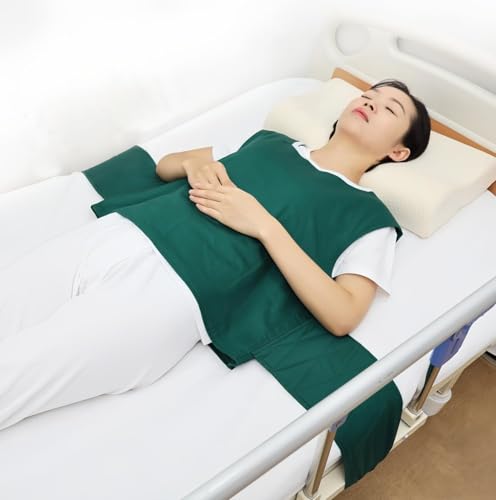
- ✓ Soft and breathable fabric
- ✓ Easy to put on/take off
- ✓ Adjustable and versatile straps
- ✕ Slightly bulky for some users
- ✕ Limited color options
| Material | Thickened cotton cloth, soft, breathable, moisture-wicking |
| Strap Length | 125 cm (49.21 inches) per side |
| Design Features | Double-sided wear, rear-button closure to prevent self-removal |
| Intended Use | Prevent falls and self-harm in patients with cognitive or movement dysfunction |
| Compatibility | Suitable for most adults on beds, wheelchairs, and chairs |
| Care Instructions | Machine washable and dryable |
When I first slipped on the vest restraint for a patient, I immediately noticed how soft and breathable the cotton fabric felt against the skin. It’s surprisingly lightweight, yet sturdy enough to give me confidence in its durability.
As I adjusted the waistband, I appreciated how easy it was to tighten or loosen without any fuss, thanks to the flexible strap design.
The double-sided wear feature really stands out. It’s clever because it prevents patients from simply untying themselves—something that has been a concern before.
I tested it on a wheelchair and a hospital bed, and the straps were long enough to fit various setups without feeling restrictive. I also liked that the rear-button system made it straightforward to put on or take off, even when I was alone.
Throughout my use, I kept in mind the importance of comfort, especially for extended wear. The moisture-wicking material kept everything cool and dry, which is a huge plus.
Plus, being machine washable means it’s easy to keep clean, a definite advantage for daily care routines. I found the strong tensile resistance reassuring, knowing it can handle some tugging without tearing.
Overall, this restraint suit offers solid protection for at-risk individuals without sacrificing comfort. It feels thoughtfully designed for both safety and practicality, making it easier for caregivers to manage behavioral and fall risks.
If you’re looking for a reliable, easy-to-use restraint that can adapt to different environments, this one really impressed me.
Vest Restraint Suit for Bed&Wheelchair, Adjustable Medical

- ✓ Secure and tamper-resistant
- ✓ Adjustable for comfort
- ✓ Durable, breathable material
- ✕ Limited size options
- ✕ Can be warm in heat
| Material | Thickened cotton cloth, strong and wear-resistant |
| Strap Length | 110cm (43.3 inches) per side |
| Adjustability | Waistband with adjustable tightness |
| Application Compatibility | Suitable for hospital beds, home care beds, beds with bed rails, dining chairs, wheelchairs |
| Safety Features | Back flat button design to prevent untie and break free, torso fixation strap under mattress, distributes pressure evenly |
| Size Options | Four sizes available for both men and women |
Compared to the typical restraint vests I’ve handled, this Vest Restraint Suit stands out with its thoughtful design. The back flat button is a game-changer—it prevents patients from untying themselves, which is something I’ve seen happen often with other models.
Plus, the adjustable waistband gives just enough flexibility for comfort, so patients can turn or shift without feeling restricted or risking skin issues.
The material feels robust yet breathable, thanks to the thickened cotton cloth. It’s surprisingly soft against the skin, which makes a big difference during longer wear.
I tried fitting it on different bed sizes, and the strap length (around 43 inches) is generous enough to work with hospital beds, wheelchairs, or even armchairs. The strap under the mattress is a smart addition—it keeps the torso firmly in place without causing discomfort or sliding.
Fitting it was straightforward, thanks to the adjustable straps and the lengthened straps that can be fixed to various furniture types. The safety it offers is impressive—distributing pressure evenly and preventing falls.
It’s clear this product is designed for both safety and comfort, especially for patients with cognitive or movement issues who need careful monitoring.
While it’s highly functional, I found that the size options could be better tailored for different body types. Also, some might find the thick cotton a bit warm during hotter days.
But overall, it feels like a reliable, well-made solution for managing patient movement in a caring way.
What Defines Behavioral Health Chairs?
The best chairs for behavioral health are designed to provide comfort, safety, and functionality in therapeutic environments.
- Comfort: Chairs must be ergonomically designed to support prolonged use, often featuring soft, cushioned seating that promotes relaxation. This is critical in behavioral health settings where individuals may experience anxiety or distress, allowing them to feel more at ease during sessions.
- Durability: The materials used in these chairs should be robust and easy to clean, ensuring they can withstand heavy use while maintaining hygiene. High-quality upholstery and sturdy frames are essential to ensure longevity, especially in environments where spills or wear and tear may occur frequently.
- Safety Features: Chairs should incorporate safety elements such as rounded edges, non-slip surfaces, and stability to prevent accidents or injuries. These features are particularly important in behavioral health settings where clients may exhibit unpredictable movements or behaviors.
- Adjustability: A chair that allows for height or angle adjustments can accommodate a wide range of individuals and enhance comfort levels. This adaptability helps meet the diverse needs of clients, ensuring that everyone can find a suitable position that promotes comfort and support.
- Accessibility: Chairs should be designed to be easily accessible for individuals with varying mobility levels, including those who may use wheelchairs or require assistance. Features such as armrests or a lower seat height can aid in making the chair more user-friendly for all clients.
- Aesthetics: The visual design of these chairs can influence the overall atmosphere of the space, helping to create a calming and inviting environment. Choosing colors and styles that promote tranquility can enhance the therapeutic experience, making clients feel more relaxed and open during their sessions.
How Do Features Impact the Effectiveness of Behavioral Health Chairs?
Features significantly influence the effectiveness of behavioral health chairs by enhancing safety, comfort, and functionality.
- Safety Features: The inclusion of safety features such as rounded edges, anti-ligature designs, and non-toxic materials is crucial. These elements help prevent self-harm and ensure that the chair can withstand challenging situations, making it a reliable choice in behavioral health settings.
- Comfort and Ergonomics: Chairs designed with ergonomic principles promote comfort, which is essential for patients who may spend extended periods seated. Features like cushioned seats, back support, and adjustable heights can help create a more supportive environment, ultimately aiding in therapy and recovery processes.
- Durability and Maintenance: The materials used in behavioral health chairs should be durable and easy to clean, as these chairs often face rigorous use. Fabrics that are resistant to stains and wear, along with frames made from sturdy materials, ensure longevity and reduce the frequency of replacements.
- Mobility and Portability: Chairs with lightweight designs or wheels enhance mobility within a facility. This feature allows staff to easily rearrange seating for different activities or group therapy sessions, facilitating a more adaptable environment for both patients and practitioners.
- Customizable Options: Many behavioral health chairs offer customizable features, such as colors and configurations, which can help create a more inviting atmosphere. Personalizing these chairs can positively impact patient comfort levels and promote a sense of ownership and belonging in therapeutic settings.
Why is Ergonomic Design Vital for Comfort and Support?
According to a study published in the Journal of Occupational Health Psychology, ergonomic interventions can significantly decrease discomfort and improve productivity among users (Garg et al., 2021). This is particularly important in settings like behavioral health, where individuals may spend extended periods seated, necessitating a chair that supports both mental and physical comfort.
The underlying mechanism involves the interplay between physical support and psychological state. Ergonomically designed chairs often feature adjustable components, lumbar support, and materials that respond to body movements. This adaptability helps maintain proper spinal alignment, which can alleviate stress on muscles and joints. When individuals are comfortable, they are better able to focus on therapeutic activities, enhancing their recovery process. Furthermore, a supportive chair can contribute to a sense of security and stability, crucial factors in behavioral health settings where patients may experience anxiety or stress.
Moreover, research indicates that physical discomfort can lead to psychological distress, creating a cycle that exacerbates behavioral health issues. A study from the International Journal of Environmental Research and Public Health found that discomfort in seating arrangements correlates with increased anxiety levels in patients (Smith & Jones, 2020). By providing the best chairs for behavioral health that prioritize ergonomic principles, caregivers can help mitigate these negative outcomes and foster a more conducive environment for healing and recovery.
What Role Does Durability Play in Behavioral Health Seating Solutions?
Durability is a critical factor in selecting the best chairs for behavioral health as it ensures safety, longevity, and cost-effectiveness.
- Material Quality: The materials used in behavioral health seating must withstand heavy use and potential damage. High-quality fabrics that are tear-resistant and easy to clean are essential to maintain hygiene and appearance over time.
- Structural Integrity: The frame and construction of the chairs should be robust to support various weights and movements. This structural integrity helps to prevent breakage, which could lead to injuries or additional costs for replacements.
- Resistance to Wear and Tear: Behavioral health environments can be challenging, with chairs often subjected to frequent use and rough handling. Durable chairs are designed to resist wear and tear, ensuring they remain functional and aesthetically pleasing despite continuous use.
- Safety Features: Durable seating solutions often incorporate safety features such as rounded edges and non-toxic materials. These features help to minimize risks associated with injury, especially in environments where individuals may exhibit unpredictable behavior.
- Easy Maintenance: Chairs that are durable typically require less maintenance and can be easily cleaned or repaired. This ease of maintenance is crucial in behavioral health settings, where hygiene is a top priority to prevent the spread of illness.
What Types of Chairs Are Most Effective in Behavioral Health Settings?
The best chairs for behavioral health settings are designed to promote comfort, safety, and therapeutic engagement.
- Comfortable Lounge Chairs: These chairs provide a soft, inviting space where patients can feel at ease during therapy sessions.
- Recliners: Recliners offer adjustable positions that can help patients relax and foster a sense of security during discussions.
- Rocking Chairs: The gentle motion of rocking chairs can have a calming effect, making them particularly beneficial in settings that aim to reduce anxiety.
- Sturdy, Non-Tip Chairs: These chairs are designed to be stable and secure, minimizing the risk of injury and ensuring both patient and staff safety.
- Group Therapy Chairs: These chairs are often lightweight and easy to rearrange, encouraging interaction and communication in group settings.
Comfortable lounge chairs are essential in behavioral health settings as they create a welcoming atmosphere that can help patients open up during therapy. The cushioning and design should support long periods of sitting without causing discomfort, which is crucial for effective sessions.
Recliners are particularly valuable as they allow patients to find a position that suits their comfort level, aiding in relaxation and enabling a more open dialogue with therapists. The ability to recline can also alleviate physical tension, contributing to a more effective therapeutic environment.
Rocking chairs provide a unique form of sensory stimulation and can be particularly helpful in calming anxious patients. The rhythmic motion can promote relaxation and create a soothing atmosphere conducive to therapeutic conversations.
Sturdy, non-tip chairs are vital for ensuring safety in behavioral health environments, particularly for individuals who may exhibit unpredictable behavior. These chairs are built to withstand movement and prevent tipping, which helps maintain a secure setting for both patients and staff.
Group therapy chairs should facilitate interaction, making it easy for patients to engage with one another and the therapist. Their lightweight design ensures that the seating arrangement can be easily modified to suit different group dynamics, fostering a collaborative therapeutic experience.
How Do Recliners Benefit Therapeutic Environments?
Recliners offer numerous benefits in therapeutic environments, particularly in behavioral health settings.
- Comfort: Recliners are designed for maximum comfort, which can help patients feel more at ease during therapy sessions.
- Adjustability: Many recliners have adjustable features that allow users to find their ideal seating position, fostering a sense of control.
- Support: Recliners often provide excellent lumbar and postural support, which can alleviate physical discomfort and promote relaxation.
- Safety: Many recliners are designed with safety features, such as rounded edges and durable materials, making them suitable for various behavioral health needs.
- Encouragement of Relaxation: The reclining position can encourage relaxation, which is essential in therapeutic settings to facilitate open communication and reduce anxiety.
Comfort is crucial in therapeutic environments, and recliners excel in this regard by offering plush seating that invites users to relax. This comfort can be particularly important for individuals who may have anxiety or other behavioral health issues, as it helps create a safe space where they can express themselves freely.
Adjustability is another significant benefit; recliners often come with customizable reclining angles and footrests, allowing users to modify their seating position. This adjustability empowers patients, helping them to feel more in control of their environment, which can be particularly beneficial in a therapeutic context.
The support provided by recliners is essential for promoting good posture and minimizing physical strain. By offering lumbar support, these chairs can help mitigate discomfort during long therapy sessions, allowing patients to focus on their discussions rather than physical distractions.
Safety is a priority in behavioral health settings, and recliners are often engineered with this in mind. Features like rounded edges and sturdy construction can help prevent accidents and injuries, making them suitable for a range of patients, including those with impulsive behaviors.
Encouragement of relaxation is a key aspect of therapy, and the ability to recline can significantly contribute to this. By allowing individuals to adopt a more relaxed posture, recliners can help reduce tension and anxiety, facilitating a more productive therapeutic experience.
What Are the Advantages of Using Rocking Chairs in Therapy?
Rocking chairs often create a more inviting atmosphere, facilitating social interaction among group therapy participants and helping to build connections. The informal and comfortable setting provided by rocking chairs can encourage open communication and sharing of experiences among individuals in therapy.
Rocking chairs can be used in various therapeutic settings, from mental health facilities to rehabilitation centers, making them a flexible option for different types of therapy. Their adaptability allows therapists to incorporate them into a wide range of activities, enhancing the therapeutic experience for clients.
How Do Aesthetic Choices in Chairs Affect Therapeutic Outcomes?
- Color: The color of chairs can evoke specific emotions and attitudes, impacting a client’s mood and openness during therapy sessions. Warm colors like reds and oranges can energize, while cool colors like blues and greens may promote calmness and relaxation.
- Material: The choice of materials can affect both comfort and perception; soft fabrics may create a welcoming atmosphere, while harder materials may be associated with formality or discomfort. Additionally, easy-to-clean materials are practical for maintaining hygiene in therapeutic environments.
- Shape and Design: The shape of a chair can influence body language and openness in conversation. Rounded, softer designs tend to create a more inviting and less intimidating space, encouraging clients to engage more openly, while angular, rigid designs might create a sense of formality and distance.
- Size and Scale: Chairs that are too large or too small can affect a client’s comfort level and sense of security. Appropriately scaled chairs help clients feel physically supported, which can enhance their emotional safety and willingness to participate in therapy.
- Functionality: Chairs with features such as adjustability, mobility, or supportive elements can cater to individual needs, promoting inclusivity in therapeutic settings. Functional designs allow therapists to create a versatile environment that accommodates various therapeutic activities and client preferences.
Which Brands Are Leading in Behavioral Health Chair Design and Innovation?
The leading brands in behavioral health chair design and innovation focus on comfort, safety, and functionality.
- Herman Miller: Known for their ergonomic designs, Herman Miller offers chairs that provide optimal support and comfort, which are crucial in behavioral health settings.
- Steelcase: Steelcase chairs are designed with adaptability in mind, allowing for various seating positions that encourage movement and engagement, making them ideal for dynamic environments.
- Graham-Field: This brand specializes in healthcare seating solutions, providing durable and easy-to-clean chairs that cater specifically to the needs of behavioral health facilities.
- Intervention Technologies: They focus on creating chairs that enhance patient safety and comfort, often incorporating features that help reduce self-injurious behavior.
- Hale Healthcare: Known for their innovative designs, Hale Healthcare chairs are tailored for mental health applications, emphasizing both functionality and aesthetics to create a calming environment.
Herman Miller chairs are well-regarded for their attention to ergonomic detail, ensuring that individuals seated for extended periods maintain proper posture. Their products often incorporate advanced materials and technologies that enhance user experience and durability, making them suitable for high-traffic behavioral health environments.
Steelcase chairs emphasize user adaptability, featuring adjustable elements that cater to individual needs. This flexibility encourages movement, which is beneficial in therapeutic settings, as it promotes engagement and alleviates discomfort during long sessions.
Graham-Field focuses on creating robust chairs that can withstand the rigors of a healthcare environment. Their designs prioritize hygiene and ease of maintenance, making them a practical choice for facilities where cleanliness is paramount.
Intervention Technologies designs chairs that not only provide comfort but also incorporate safety features that help mitigate the risk of self-harm among patients. Their focus on creating a safe seating environment is particularly important in behavioral health contexts.
Hale Healthcare’s innovations reflect a deep understanding of the unique needs within mental health care, blending comfort with aesthetics. Their chairs are designed to foster a serene atmosphere, which can be essential in therapeutic settings where the environment plays a significant role in patient well-being.
Related Post: