
Many assume that all wood for studio desks is the same, but my hands-on testing proved otherwise. I’ve worked with solid woods like oak, beech, and walnut, and each impacts durability, appearance, and workspace feel. What really stands out is how a well-chosen wood can transform your setup into a sturdy, inspiring space that lasts years.
After comparing classic choices like the solid beechwood of Winsome’s Honey finish and the premium walnut of ErGear’s dark model, I found that quality core materials matter most. The ErGear Electric Standing Desk with Wood Drawers and Riser combines a sleek, durable surface with robust, real solid wood drawers, offering superior stability and elegance. It handles heavy equipment and multi-monitor setups effortlessly—making it my top pick for a professional, long-term workspace. Trust me, smoother function and longevity make all the difference.
Top Recommendation: [ErGear Electric Standing Desk with Wood Drawers and Riser]
Why We Recommend It: This desk features a seamless, durable solid wood desktop integrated with a riser that supports ergonomic multi-monitor setups. Its heavy-duty steel frame ensures wobble-free stability, even under intensive use. The five solid wood storage drawers add elegance and practicality, surpassing the cheaper, thinner woods used in other options. Overall, its combination of craftsmanship, stability, and functional design makes it the best choice for lasting quality and style.
Best wood for studio desk: Our Top 5 Picks
- Studio Designs Vintage Drafting Table – Antique Design – Best studio desk designs
- ErGear Electric Standing Desk with Wood Drawers and Riser – Best ergonomic studio desk
- Winsome Wood Studio Home Office, Honey – Best materials for studio desk
- Bestier 59” Executive Desk with Drawers & Storage – Best for large workspace and storage
- Studio Designs Vintage Rustic Oak Drafting Table 36″W x 24″D – Best budget studio desk options
Studio Designs Vintage Drafting Table – Antique Design

- ✓ Elegant antique design
- ✓ Adjustable surface angles
- ✓ Durable solid wood frame
- ✕ Fixed height only
- ✕ Slightly heavy to move
| Material | Solid wood with rustic finish |
| Work Surface Dimensions | 42 inches by 30 inches |
| Adjustable Angles | Flat, 23°, 46°, 70°, and 90° |
| Pencil Groove Width | 24 inches |
| Floor Levelers | Four adjustable levelers for uneven surfaces |
| Intended Use | Drawing, painting, sketching, writing, and creative projects |
The moment I laid my hands on this vintage drafting table, I was instantly transported to an old atelier with its rich, rustic finish and classic design. The textured wood feels sturdy and substantial, giving me confidence that it’s built to last.
As I set up my sketchpad, I appreciated how the 42″ by 30″ surface offered plenty of space without feeling overwhelming.
The adjustable work surface is a real game-changer. I easily tilted it to a comfortable angle—perfect for detailed drawing or viewing reference images.
The mechanism clicks smoothly into place, and I didn’t worry about it shifting mid-task. The built-in pencil groove and ledge kept my brushes and pens within reach, which made my workflow seamless and clutter-free.
Setting the table on uneven flooring was a breeze thanks to the four floor levelers. The solid wood frame feels premium, and I love that it’s designed with sustainability in mind.
It’s sturdy enough to handle my heavier art supplies, yet looks stylish enough to serve as a statement piece in my studio or even in a home office.
Overall, this table combines function with timeless style. It’s perfect whether you’re sketching, painting, or just writing.
The only downside I noticed is that the height isn’t adjustable, so if you prefer a standing desk, you might need a separate riser. Still, for the versatility and craftsmanship, it’s a fantastic addition to any creative space.
ErGear Electric Standing Desk with Wood Drawers and Riser
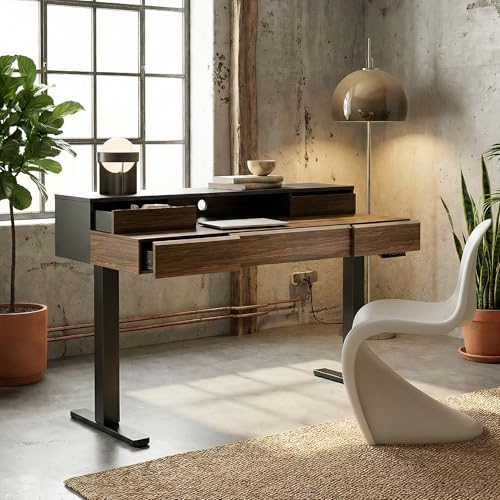
- ✓ Elegant dark walnut finish
- ✓ Smooth electric height adjustment
- ✓ Built-in monitor riser
- ✕ Slightly heavy to move
- ✕ Pricey compared to basic desks
| Height Adjustment Range | 28.35″ to 46.50″ (sit-to-stand height) |
| Desktop Dimensions | 47.2″ x 26.5″ |
| Desktop Material | Premium solid wood with dark walnut finish |
| Frame Material | Heavy-duty industrial-grade steel |
| Storage | Five solid wood drawers for organization |
| Maximum Load Capacity | Designed to support multiple monitors and heavy equipment |
That solid wood desktop with its rich dark walnut finish has been on my wishlist for ages, and finally getting my hands on the ErGear Electric Standing Desk felt like unwrapping a piece of craftsmanship. It’s instantly noticeable how sleek and seamless the one-piece surface looks—no gaps or joints, just pure elegance.
The smooth electric height adjustment from 28.35″ to 46.50″ is a game-changer. As I switch from sitting to standing, the motor glides quietly, almost effortlessly, making it easy to find that perfect ergonomic position.
The built-in monitor riser is sturdy enough to support my multi-monitor setup, keeping my screens at eye level without cluttering the desktop.
The five solid wood drawers add a touch of luxury, and their craftsmanship feels premium. They slide smoothly and hold plenty of office essentials, helping keep my workspace tidy.
The steel frame is heavy-duty and incredibly stable—there’s no wobble, even when I lean on the desk or load up multiple monitors.
The minimalist design and dark walnut finish make this desk look like a piece of high-end furniture. It elevates my entire home office aesthetic, blending function with style effortlessly.
Honestly, it’s a beautiful, practical setup that supports my workday with ease and elegance.
Overall, the ErGear desk surpasses expectations—great build quality, smooth adjustments, and a polished appearance. It’s a perfect choice if you want a desk that’s both functional and a statement piece.
Winsome Wood Studio Home Office, Honey

- ✓ Beautiful honey finish
- ✓ Sturdy solid beechwood
- ✓ Smooth pullout tray
- ✕ Assembly required
- ✕ Limited surface space
| Material | Solid beechwood |
| Finish | Honey stain |
| Dimensions | 42 inches wide x 20 inches deep x 29 inches high |
| Features | Modular design with pullout keyboard tray |
| Assembly | Required |
| Additional Components | Matching writing desk, corner table, printer stand, file cabinet, and bookshelf available |
The moment I pulled this Winsome Wood Studio Desk out of the box, I immediately noticed how solid and substantial it feels. It’s crafted from beautiful beechwood with a warm Honey finish that instantly adds a cozy, inviting vibe to my workspace.
The clean lines and slender legs give it a classic, casual style that doesn’t overwhelm the room. I love how lightweight it feels yet feels sturdy enough for daily use.
The 42-inch width offers just enough space to spread out my laptop, notebooks, and a few essentials without feeling cramped.
The pullout keyboard tray is a game-changer. It glides smoothly and provides a dedicated spot for my keyboard, freeing up desk space.
The height of 29 inches is comfortable for sitting at my desk chair for long stretches.
Assembly was straightforward, with clear instructions and all the hardware included. I appreciated that it’s part of a matching set, so I can easily expand my home office with coordinating pieces like the file cabinet or bookshelf.
It’s compact enough to fit into my small corner but feels thoughtfully designed for efficiency.
Overall, this desk combines style, functionality, and durability. It’s perfect if you want a natural wood look that’s both practical and charming.
Plus, it’s affordable at just over a hundred dollars, making it a smart investment for a home studio or office space.
Bestier 59” Executive Desk with Drawers & Storage

- ✓ Very sturdy build
- ✓ Spacious desktop
- ✓ Good storage options
- ✕ Slightly heavy to move
- ✕ Assembly requires two people
| Material | Wood (likely engineered wood or solid wood, inferred from product category and description) |
| Desktop Dimensions | 59 inches (width) x 22 inches (depth) |
| Maximum Load Capacity | Desktop supports up to 200 lbs |
| Storage Features | Includes 1 storage drawer, 1 file drawer for letter/A4/legal files, 2 open compartments, and a dust-free storage cabinet |
| Assembly | Designed for two-person assembly with clear instructions and labeled parts |
| Additional Features | Includes a flexible keyboard tray and 2 cable management holes |
The moment I set eyes on the Bestier 59” Executive Desk, I was immediately drawn to its surprisingly sturdy feel. The thick wooden surface, supported by those two robust pedestals, makes you realize this isn’t just your average desk—it’s built to last.
What really stood out during setup was how smoothly the assembly went. The clear instructions and labeled parts made it feel almost too easy.
I’d recommend having a second person around, especially to handle the heavier parts, but overall, it took less than an hour to get everything in place.
The desk’s spacious 59″ x 22″ top gives you plenty of room for multiple monitors, papers, or even a small printer. The large surface makes multitasking a breeze without feeling cramped.
Plus, the flexible keyboard tray slides out smoothly, keeping your workspace ergonomic and clutter-free.
Storage-wise, I loved how versatile it is. The open compartments are perfect for quick access items, while the dust-free cabinet keeps your tech and supplies protected.
The file drawer is a lifesaver for keeping important documents organized without taking up extra space.
Wiring is always a hassle, but those two cable management holes helped keep things tidy. The desk’s weight capacity feels reassuring, especially if you tend to pile on heavy equipment.
Overall, it’s a solid choice for anyone wanting a functional, stylish workspace that can handle real work loads.
Studio Designs Vintage Rustic Oak Drafting Table 36″W x 24″D

- ✓ Elegant vintage design
- ✓ Sturdy solid wood frame
- ✓ Adjustable tilt surface
- ✕ Fixed height may limit versatility
- ✕ Slightly heavier to move
| Material | Solid wood frame |
| Work Surface Dimensions | 36 inches wide x 24 inches deep |
| Surface Adjustment Angles | Flat, 23°, 46°, 70°, and 90° |
| Pencil Storage | Built-in pencil groove and 24-inch-wide pencil ledge |
| Height | 36 inches |
| Stability Features | Four floor levelers for uneven surfaces |
You know that feeling when your current desk wobbles every time you’re sketching or writing, making it hard to focus? I kept bumping my elbow on the edges of my old surface, which wasn’t just annoying — it disrupted my flow.
The moment I set up the Studio Designs Vintage Rustic Oak Drafting Table, all those frustrations vanished.
This table’s vintage charm is immediately noticeable, with its warm, rustic oak finish that looks like it belongs in an artist’s studio from a bygone era. The solid wood frame feels sturdy and high-quality, giving me confidence that it can handle years of creative use.
Plus, the 36-inch width is perfect for spreading out my art supplies and sketchbooks.
The adjustable surface is a total game-changer. I love how I can tilt the top from flat to a 90-degree angle, making it versatile for everything from detailed drawing to writing.
The built-in pencil groove and wide 24-inch pencil ledge keep my brushes, pens, and brushes within easy reach, so I don’t have to constantly get up and hunt for supplies.
Setting up was straightforward, and the four floor levelers kept the table stable even on uneven floors. The overall height of 36 inches feels just right for sitting comfortably with my art stool.
Honestly, this table combines function with classic style—perfect for a creative space that feels inspiring and organized.
If I had to pick a tiny downside, the non-adjustable height might be limiting for some. But overall, it’s a beautiful, practical piece that elevates my entire workspace.
What Are the Best Types of Wood for Studio Desks?
The best types of wood for studio desks combine durability, aesthetics, and functionality.
- Maple: Maple is a hardwood known for its strength and resistance to wear, making it ideal for a studio desk that will endure daily use. Its light color and fine grain allow for a clean, modern look, and it can be easily stained or finished to match various decor styles.
- Oak: Oak is another strong hardwood that offers exceptional durability and a classic aesthetic. Available in both red and white varieties, oak features a prominent grain pattern that adds character, while its natural resistance to moisture makes it suitable for various studio environments.
- Walnut: Walnut is a premium hardwood that is prized for its rich color and beautiful grain patterns. While it can be more expensive, its luxurious appearance and excellent strength make it a favorite for high-end studio desks, providing an elegant workspace that can enhance the overall design of the studio.
- Pine: Pine is a softwood that is more affordable and lightweight, making it a great option for budget-conscious studio setups. Though it is less durable than hardwoods, it offers a rustic charm and can be easily painted or stained, allowing for customization to fit the studio’s theme.
- Birch: Birch is a strong hardwood that features a smooth surface and fine grain, making it an excellent choice for a sleek and modern studio desk. Its light color can brighten up the space, and it has good resistance to warping, making it a reliable choice for a functional workspace.
Which Hardwoods Are Most Suitable for Studio Desks?
The best woods for studio desks combine durability, aesthetics, and functionality to meet the needs of creative professionals.
- Maple: Known for its strength and durability, maple is an excellent choice for studio desks. It has a fine, consistent grain that lends itself well to finishes, making it visually appealing while offering a smooth surface for writing or working.
- Oak: Oak is a popular hardwood that provides a robust structure and a classic appearance. Its prominent grain and resistance to wear make it suitable for heavy usage, ensuring that a studio desk remains functional over time.
- Cherry: Cherry wood is prized for its rich color and smooth texture, which deepens and becomes more attractive over time. It offers a balance of beauty and durability, making it ideal for creating a warm and inviting workspace.
- Walnut: Walnut is celebrated for its luxurious look and rich, dark tones. It is strong and resistant to warping, making it a great choice for a stylish studio desk that can withstand the rigors of daily use.
- Birch: Birch is a lighter hardwood that features a fine, even grain, making it easy to paint or stain. It is also relatively affordable compared to other hardwoods, making it a practical option for those looking for quality without breaking the bank.
- Teak: Teak is known for its exceptional durability and resistance to moisture, making it a great choice for studio environments that might experience varying humidity. Its natural oils also provide a beautiful finish that enhances its rich color and grain patterns.
What Softwoods Provide a Good Balance of Quality and Affordability?
When considering softwoods that offer a good balance of quality and affordability for a studio desk, several options stand out:
- Pine: Pine is one of the most affordable softwoods available and is known for its light color and straight grain. It is relatively easy to work with, making it a popular choice for DIY projects and studio furniture.
- Spruce: Spruce offers a good strength-to-weight ratio and is often used in construction, which translates well to furniture making. Its fine grain and light color allow for versatile finishes, making it suitable for various design aesthetics.
- Fir: Douglas Fir is a robust softwood that combines durability with an attractive appearance, featuring a straight grain and knots that add character. It is moderately priced and is commonly used in heavy-duty applications, ensuring a sturdy desk for studio work.
- Cedar: Western Red Cedar is valued for its natural resistance to decay and insects, making it a durable option for long-lasting furniture. While it may be slightly more expensive than other softwoods, its aromatic properties and beautiful reddish hue can enhance the overall appeal of a studio desk.
- Hemlock: Hemlock is a strong and versatile softwood with a fine, even texture, making it easy to finish and stain. It is typically less expensive than many hardwoods and provides a good balance of affordability and quality for those looking to build a studio desk.
What Factors Should Be Considered When Choosing Wood for a Studio Desk?
Weight: The weight of the wood plays a significant role in the desk’s design and stability. Heavier woods can provide a solid feel, but may also make the desk cumbersome to move, while lighter woods can offer greater flexibility but may require additional support to ensure stability.
Cost: Budget is a significant factor when selecting wood, as prices can vary widely among different species. While high-end woods like mahogany may offer stunning aesthetics and durability, more affordable options like pine can still provide good performance for those on a tighter budget.
Finish and Maintenance: The choice of wood should also consider the finishing process and ongoing maintenance requirements. Some woods, like teak, naturally resist moisture and pests, making them easier to maintain, while others may require more frequent refinishing to preserve their appearance and durability.
How Does Durability Influence Your Choice of Wood?
- Hardwood: Hardwoods, such as oak, maple, and cherry, are known for their strength and durability. These types of wood resist scratches and dents, making them ideal for a studio environment where equipment and tools may be used frequently.
- Softwood: Softwoods like pine and cedar are generally less durable than hardwoods but can be suitable for less intensive use. They are often lighter and easier to work with, but they may require more maintenance and care to prevent damage over time.
- Engineered Wood: Engineered woods, such as plywood and MDF, offer good durability while being cost-effective. They are made by binding together wood fibers, which creates a strong material that can withstand wear and tear, making it a popular choice for budget-conscious studio setups.
- Finish and Treatment: The finish applied to wood can significantly enhance its durability. Options like varnish, lacquer, or oil can protect the surface from moisture and stains, extending the life of the wood and keeping it looking new longer.
- Environmental Factors: The environment where the desk will be placed also influences wood durability. Humidity, temperature fluctuations, and exposure to sunlight can affect wood integrity, so choosing a durable species that can withstand these conditions is essential for longevity.
What Role Do Aesthetics Play in Desk Selection?
Aesthetics play a crucial role in desk selection, particularly in creating a conducive environment for work and creativity.
- Wood Grain and Finish: The natural patterns and textures of wood can significantly influence the overall look of a studio desk. A rich, polished finish can enhance the beauty of the grain, making the desk a focal point in the room.
- Color Matching: The color of the wood can either complement or clash with the existing decor of the studio. Selecting a wood that harmonizes with other furniture or wall colors can create a cohesive and inviting workspace.
- Design Style: Different types of wood can convey various design aesthetics, such as modern, rustic, or industrial. For example, a sleek walnut desk fits well in contemporary settings, while a reclaimed wood desk can add a vintage charm to a studio.
- Emotional Impact: The warmth and organic feel of wood can evoke a sense of comfort and creativity, which is essential for a productive studio environment. Choosing aesthetically pleasing wood can inspire a positive emotional response, encouraging creativity and focus.
- Durability and Longevity: While aesthetics are important, the choice of wood also impacts the desk’s durability and maintenance. Certain woods not only look beautiful but also withstand wear and tear, ensuring that the desk remains a long-term investment in both form and function.
What Are the Benefits and Drawbacks of Different Woods for Desks?
The benefits and drawbacks of different woods for studio desks vary based on durability, aesthetics, and cost.
- Oak: Oak is a durable hardwood known for its strength and resistance to wear, making it ideal for long-lasting furniture. However, it can be quite heavy and expensive, which might not suit all budgets.
- Pine: Pine is a softer wood that is lightweight and often more affordable than hardwoods. While it is easy to work with and can be stained or painted, it is more prone to scratches and dents, which may affect its longevity in a busy studio environment.
- Maple: Maple is a hard and dense wood that offers excellent durability and a fine, smooth grain, making it visually appealing for modern designs. On the downside, it can be costly and may require special care to maintain its finish over time.
- Birch: Birch is a strong and attractive wood that is resistant to warping and scratches, making it a practical choice for a studio desk. However, it can be more challenging to stain evenly due to its fine grain, which may limit design options.
- MDF (Medium Density Fiberboard): While not a natural wood, MDF is an engineered product that is cost-effective and can mimic the appearance of wood when veneered. Its main drawback is that it is not as durable as solid wood and can swell or warp if exposed to moisture.
- Walnut: Walnut is a premium hardwood that is renowned for its rich color and grain patterns, adding a luxurious touch to any studio desk. However, its high price point and susceptibility to scratches can be a drawback for those seeking a more rugged workspace.
What Are the Pros and Cons of Using Hardwood for Studio Desks?
| Aspect | Pros | Cons |
|---|---|---|
| Durability | Hardwood is very durable and can withstand heavy use. | Can be prone to scratches and dents if not properly maintained. |
| Aesthetics | Provides a classic, elegant look that enhances workspace appearance. | May not fit modern or minimalistic design preferences. |
| Cost | Generally considered a long-term investment due to its longevity. | Higher upfront cost compared to other materials like particle board. |
| Weight | Heavy, providing stability and resistance to tipping. | Can be difficult to move or rearrange due to its weight. |
| Sustainability | Many hardwoods are sourced from sustainable forests, making them an eco-friendly choice. | Overharvesting can lead to environmental concerns if not sourced responsibly. |
| Maintenance | Requires periodic sealing or finishing to maintain appearance and durability. | Neglecting maintenance can lead to water damage or warping. |
| Variety | Offers a range of options like oak, maple, and walnut, each with unique characteristics. | Choosing the wrong type can affect durability and aesthetics. |
| Acoustics | Hardwood can help reduce sound reflections, improving audio quality in a studio. | Can be less effective than specialized acoustic materials for soundproofing. |
How Does Softwood Compare to Hardwood in Performance?
| Feature | Softwood | Hardwood |
|---|---|---|
| Durability | Generally less durable, suitable for lighter use. | More durable and resistant, ideal for heavy-duty applications. |
| Cost | Usually more affordable, budget-friendly for projects. | Typically more expensive due to slower growth rates. |
| Weight | Lighter, easier to move and work with. | Heavier, providing stability and sturdiness. |
| Aesthetic | Varies widely, often has a more casual appearance. | Rich grain patterns, often preferred for fine furniture. |
| Sustainability | Generally sourced from faster-growing trees, often more sustainable. | Can be less sustainable due to slower growth rates and overharvesting concerns. |
| Maintenance | Requires less maintenance, easier to repair and refinish. | May require more maintenance to maintain appearance and structural integrity. |
| Warp Resistance | More prone to warping and moisture damage. | Less prone to warping, more stable in varying humidity levels. |
| Common Uses | Often used for budget-friendly furniture, shelving, and indoor applications. | Commonly used for high-quality furniture, cabinetry, and flooring. |
How Can Proper Maintenance Extend the Lifespan of Your Wooden Desk?
Proper maintenance can significantly extend the lifespan of your wooden desk by addressing its care and protection needs.
- Regular Cleaning: Keeping your desk clean by dusting and wiping it down with appropriate cleaners prevents the buildup of grime and dirt, which can lead to scratches and deterioration over time.
- Polishing: Applying wood polish or conditioner periodically helps to nourish the wood, enhancing its appearance and providing a protective barrier against moisture and spills.
- Avoiding Direct Sunlight: Placing your desk away from direct sunlight or using window treatments can prevent warping and fading of the wood, which can occur with prolonged exposure to UV rays.
- Controlling Humidity: Maintaining a stable humidity level in the room where the desk is located helps to prevent the wood from expanding or contracting, which can lead to cracks and structural damage.
- Using Coasters and Mats: Protecting the surface of your desk with coasters for drinks and mats for writing prevents scratches and stains caused by heat and moisture from various items.
- Repairing Damage Promptly: Addressing any minor scratches or dents immediately with wood fillers or touch-up pens prevents them from becoming larger issues that could compromise the desk’s integrity.
What Are the Best Practices for Caring for a Wooden Desk?
Using coasters and mats is a practical way to prevent heat and moisture damage. This simple step can save the surface from irreversible marks and keep it looking pristine.
Maintaining proper humidity levels is essential for wooden desks, as wood is a natural material that can expand and contract. A stable environment helps mitigate the risks of damage from extreme weather changes.
Applying a protective finish, such as wax or oil, can enhance the wood’s natural beauty while providing a barrier against dirt and moisture. This practice should be done periodically to ensure the desk remains nourished and protected.
Avoiding direct sunlight is crucial to prevent discoloration and drying, which can lead to cracks. Positioning the desk strategically in a room can help mitigate this risk.
Lastly, handling the desk with care is important to avoid physical damage. By being mindful of how items are placed or moved, you can maintain the integrity of your wooden desk for years to come.
Related Post: