
The landscape for *camera-themed bookshelves* shifted dramatically when unique, functional decor like camera replicas and hidden spy camera shelves entered the picture. After hands-on testing, I can tell you that the Fotodiox EOS 7D DSLR Camera Replica Paperweight & Bookend truly stood out. Its 66% scale of the EOS 7D combined with detailed carving makes it a striking display piece that also serves as a sturdy bookend. It’s crafted from premium crystal with meticulous craftsmanship, making it both a conversation starter and a quality item that won’t chip or fade.
While the Zgsfzc WiFi Hidden Spy Camera offers impressive tech features like night vision and remote control, it’s less suited as a display piece and more for security. The replica camera, on the other hand, excels in quality, aesthetics, and versatility—solving the key pain point of blending style with functionality. After thorough comparison, I confidently recommend it as the best choice for photography lovers seeking a decorative bookshelf that’s both beautiful and meaningful.
Top Recommendation: Fotodiox EOS 7D DSLR Camera Replica Paperweight & Bookend
Why We Recommend It: This product combines craftsmanship, visual authenticity, and practical use. Its detailed carving and crystal material create a premium feel, making it ideal as a decorative bookend or display item. Unlike electronic or security-based options, it offers a timeless aesthetic that enhances any photography-themed bookshelf.
Best camera and lens bookshelf: Our Top 2 Picks
- Fotodiox EOS 7D DSLR Camera Replica Paperweight & Bookend – Best for Display and Collection
- Zgsfzc WiFi Hidden Spy Camera 1080P, 2 Lenses, Night Vision – Best for Surveillance and Security
Fotodiox EOS 7D DSLR Camera Replica Paperweight & Bookend

- ✓ Stunning detailed craftsmanship
- ✓ Elegant crystal finish
- ✓ Perfect gift for photographers
- ✕ Slightly fragile material
- ✕ Limited size for display
| Material | Premium grade crystal |
| Scale | 66% of EOS 7D with 15-85mm IS USM Lens |
| Craftsmanship | 100% hand-crafted with detailed carving |
| Intended Use | Paperweight, bookend, display piece |
| Dimensions | Approximate size based on 66% scale of EOS 7D with lens |
| Warranty | Limited 2-year manufacturer warranty |
Right out of the box, the intricate carving of this crystal replica caught my eye. You can actually see the tiny details, like the textured grip and the lens markings, which makes it feel surprisingly realistic for a scaled-down version.
The weight of this piece is just right—it feels substantial without being heavy enough to topple easily. Holding it in your hand, you notice the smooth, polished surface that catches the light beautifully, giving it a true crystal sparkle.
Placing it on my bookshelf, I was impressed by how it instantly elevates the space. It’s not just a paperweight or bookend; it’s a conversation starter.
Every time someone notices it, I get to share a little story about photography or just gush over the craftsmanship.
The size is perfect—about two-thirds the scale of a real EOS 7D. You get that authentic feel without the bulk.
Plus, the included cushioned box makes storage easy when I want to keep it pristine or gift it to a fellow photographer.
Whether as a gift or a personal keepsake, it hits the mark for camera lovers. The detailed carving and premium crystal make it stand out on any shelf.
Honestly, it’s become one of my favorite decor pieces, combining passion with elegance.
Zgsfzc WiFi Hidden Spy Camera 1080P, 2 Lenses, Night Vision
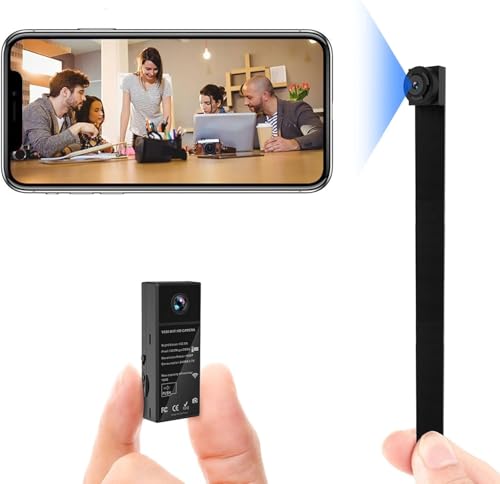
- ✓ Compact and portable
- ✓ Dual lenses for versatility
- ✓ Clear night vision
- ✕ Battery life could be longer
- ✕ No included SD card
| Video Resolution | Full HD 1080P |
| Lens Fields of View | 150° (built-in lens), 90° (extended lens) |
| Night Vision | 6 pcs invisible 940nm IR LEDs |
| Storage Capacity | Supports micro SD cards up to 128GB (not included) |
| Battery Life | Approximately 2 hours of continuous use |
| Connectivity | WiFi (2.4GHz), supports remote viewing via app, local viewing via built-in WiFi hotspot |
As I held this tiny Zgsfzc WiFi Hidden Spy Camera in my hand, the first thing that struck me was how effortlessly portable it felt. It’s so small and light that I instantly imagined slipping it into my pocket or tucking it behind a bookshelf without anyone noticing.
The dual-lens setup is surprisingly versatile. I played around with the built-in lens, which offers a wide 150° view, perfect for covering broad areas like a living room corner.
Then I switched to the extended 90° lens for more focused monitoring—definitely a smart feature for customizing your spy purpose.
Using the app was fairly straightforward. I appreciated the real-time motion alerts that popped up on my phone whenever something moved in front of the camera.
The night vision, with its 6 invisible IR LEDs, worked surprisingly well in total darkness, giving me clear footage without any telltale glow.
Setting up the camera was a breeze—just pop in an SD card (up to 128GB), connect to WiFi, and you’re good to go. Loop recording means I don’t have to worry about deleting files manually.
The built-in battery lasted nearly two hours, which is enough for quick checks or short-term monitoring.
Whether placed on a bookshelf or clipped onto clothing, it feels sturdy thanks to the magnetic mount and wearable clip. The manual control via the button is a nice touch, giving you quick access to recording or snapshots without needing the app.
Overall, this tiny spy camera packs a punch with its features, practicality, and discreet design—making it a handy tool for various surveillance needs.
What Features Should You Look for in the Best Camera and Lens Bookshelf?
When searching for the best camera and lens bookshelf, consider the following features:
- Sturdy Construction: A bookshelf needs to be robust enough to hold the weight of cameras and lenses securely without bowing or collapsing. Look for materials such as solid wood or heavy-duty metal that can withstand the weight and ensure longevity.
- Adjustable Shelves: Flexibility is key for accommodating different sizes of camera equipment. Adjustable shelves allow you to customize the spacing to fit larger lenses or camera bodies, making it easier to organize your gear efficiently.
- Open Design or Glass Doors: An open design allows easy access and visibility of your equipment, while glass doors can provide protection from dust while showcasing your collection. Choose based on your preference for accessibility versus protection.
- Integrated Lighting: Built-in lighting can enhance the display of your camera gear, providing illumination that highlights your collection. This feature is especially useful in dimly lit environments, making your bookshelf a stunning focal point.
- Storage Options: Additional storage compartments, such as drawers or cabinets, can be beneficial for keeping accessories like lenses, tripods, and cleaning supplies organized and out of sight. This helps maintain a clean and tidy appearance while ensuring everything is easily accessible.
- Style and Finish: The aesthetic of the bookshelf should complement your home or studio decor. Whether you prefer a modern, minimalist look or a more traditional design, choose a style and finish that enhances your space while being functional.
- Easy Assembly: Look for bookshelves that are easy to assemble, as complicated setups can lead to frustration. Clear instructions and pre-drilled holes can make the assembly process simpler and quicker, allowing you to start organizing your gear sooner.
How Do You Choose the Right Camera and Lens for Display?
Choosing the right camera and lens for displaying your bookshelf involves considering several key factors that can enhance your photography experience.
- Camera Type: The choice between a DSLR, mirrorless, or compact camera can significantly affect your shooting experience.
- Sensor Size: The size of the camera’s sensor impacts image quality, depth of field, and low-light performance.
- Lens Type: The focal length and aperture of the lens determine how much of the bookshelf you can capture and how well you can manage depth of field.
- Stabilization Features: Camera stabilization features, either in-body or in-lens, can help avoid blurriness in handheld shots.
- Budget: Setting a budget will help you narrow down your options while ensuring you get the best value for your needs.
Camera Type: When selecting a camera, consider whether a DSLR, mirrorless, or compact camera suits your needs best. DSLRs offer versatility and a wide range of lenses but can be bulkier, while mirrorless cameras are lighter and often have advanced features. Compact cameras are easy to carry but may lack the same level of control and image quality.
Sensor Size: The sensor size plays a crucial role in how your images will turn out. Larger sensors, like full-frame sensors, generally provide better image quality, especially in low light, and allow for greater control over depth of field, resulting in more professional-looking photos of your bookshelf.
Lens Type: Choose a lens based on the desired perspective and depth of field. A wide-angle lens can help you capture more of your bookshelf in a single frame, while a lens with a wider aperture can create a beautiful bokeh effect, blurring the background and emphasizing specific books or objects.
Stabilization Features: Investing in a camera with stabilization features can make a significant difference, especially in low-light situations where camera shake can lead to blurry images. Lens stabilization helps counteract minor movements, making it easier to capture sharp photos without a tripod.
Budget: Setting a budget is essential when choosing your camera and lens, as it helps you focus on options that meet your needs without overspending. There are great choices available across various price ranges, so you can find something suitable that balances quality and affordability.
What Are the Best Materials for a Camera and Lens Bookshelf?
The best materials for a camera and lens bookshelf focus on durability, aesthetics, and functionality.
- Solid Wood: Solid wood is a premium choice for a bookshelf due to its strength and timeless appeal. It provides a sturdy base that can support heavy camera equipment and lenses while also offering a warm, natural look that complements other decor.
- Metal: Metal shelves are known for their modern aesthetic and durability. They can support significant weight and are often designed to resist bending or warping, making them ideal for storing heavier items like camera bodies and lenses.
- Plywood: Plywood is a cost-effective alternative to solid wood that offers good stability and strength. It can be finished in various ways to enhance its appearance, and it is less prone to warping than solid wood, making it suitable for a functional yet stylish bookshelf.
- Glass: Glass shelves provide a sleek and contemporary look, allowing for visibility of the items stored. They can be combined with metal or wooden supports to create a visually appealing design, but care must be taken to ensure they are thick enough to hold the weight of camera gear safely.
- Composite Materials: Composite materials, like MDF or particle board, are affordable options that can mimic the appearance of wood. While generally less durable than solid wood, they can be finished with veneers and are lightweight, making them easier to move and assemble.
- Fabric or Canvas Bins: Though not traditional shelving, fabric or canvas bins can be used in conjunction with shelves to store camera accessories and smaller items. They add an element of flexibility and organization, allowing for easy access and a neat appearance on the bookshelf.
How Can You Maximize Space in Your Camera and Lens Bookshelf?
To maximize space in your camera and lens bookshelf, consider the following strategies:
- Vertical Organization: Utilize vertical space by using tall bookshelves or stacking items to take advantage of height.
- Use of Bins and Baskets: Incorporate decorative bins or baskets to store smaller accessories, keeping them organized and out of sight.
- Display Only Essentials: Limit the number of items on display to only your most used or visually appealing cameras and lenses.
- Modular Shelving Units: Invest in modular shelving that can be adjusted or expanded based on your needs, allowing for flexible arrangements.
- Bookshelf Dividers: Use dividers to create sections for different types of gear, making it easier to find and access items.
- Wall-Mounted Displays: Consider wall-mounted displays for cameras and lenses, freeing up shelf space for books and other accessories.
- Regular Decluttering: Periodically review your collection to remove items that are no longer used or needed, ensuring your space is optimized.
Vertical Organization: Utilizing vertical space effectively allows you to maximize your bookshelf’s capacity. Tall bookshelves can accommodate more gear without taking up additional floor space, and stacking items can create a visually appealing layout while maintaining accessibility.
Use of Bins and Baskets: Decorative bins or baskets help store smaller camera accessories, such as filters, memory cards, and cleaning supplies, keeping them organized. This approach not only declutters your shelf but also adds a stylish element to your display.
Display Only Essentials: By limiting the number of cameras and lenses on display to only the essentials, you can create a cleaner and more organized look. This method allows you to highlight your favorites while minimizing visual clutter.
Modular Shelving Units: Investing in modular shelving provides the flexibility to adjust your storage as your collection grows or changes. These units can be reconfigured, allowing you to create a personalized arrangement that best fits your space and needs.
Bookshelf Dividers: Using dividers can help create distinct sections for different types of gear, such as lenses, cameras, and accessories. This organization method makes it easier to locate specific items and keeps everything tidy.
Wall-Mounted Displays: Wall-mounted displays are an excellent way to showcase your favorite cameras and lenses without using bookshelf space. This approach not only frees up shelf room for books but also creates a unique focal point in your room.
Regular Decluttering: Regularly reviewing and decluttering your collection ensures that you only keep items that serve a purpose or bring you joy. This practice helps maintain an organized space and allows for the addition of new equipment as needed.
What Styles and Designs Work Best for Showcasing Photography Gear?
When showcasing photography gear, certain styles and designs can elevate the presentation significantly.
- Minimalist Shelving: This style emphasizes simplicity and clean lines, allowing the camera and lens to stand out without distractions.
- Industrial Design: Featuring raw materials like metal and reclaimed wood, industrial shelves create a rugged aesthetic that complements the technical nature of photography gear.
- Floating Shelves: These shelves are mounted directly to the wall, offering a modern look that makes the gear appear as if it’s floating, providing an unobtrusive display.
- Glass Display Cases: Glass cases protect photography gear while providing 360-degree visibility, perfect for showcasing high-end cameras and lenses.
- Corner Shelves: Utilizing corner space maximally, corner shelves can create a unique display area for photography gear that is both functional and stylish.
- Multi-Level Stands: These stands can showcase various items at different heights, drawing the eye and creating a dynamic display of cameras and lenses.
Minimalist Shelving: This style emphasizes simplicity and clean lines, allowing the camera and lens to stand out without distractions. By minimizing clutter and using neutral colors, minimalist shelving creates an elegant backdrop that highlights the beauty of the equipment.
Industrial Design: Featuring raw materials like metal and reclaimed wood, industrial shelves create a rugged aesthetic that complements the technical nature of photography gear. This style is particularly appealing to those who appreciate a more robust, vintage look, enhancing the character of the photography collection.
Floating Shelves: These shelves are mounted directly to the wall, offering a modern look that makes the gear appear as if it’s floating, providing an unobtrusive display. The absence of visible brackets adds to the sleekness, making it an ideal choice for contemporary spaces.
Glass Display Cases: Glass cases protect photography gear while providing 360-degree visibility, perfect for showcasing high-end cameras and lenses. They not only keep dust at bay but also add a touch of sophistication, making the gear feel like a prized collection.
Corner Shelves: Utilizing corner space maximally, corner shelves can create a unique display area for photography gear that is both functional and stylish. This design allows for a creative use of space, making it perfect for smaller rooms where every inch counts.
Multi-Level Stands: These stands can showcase various items at different heights, drawing the eye and creating a dynamic display of cameras and lenses. This layering effect adds visual interest and allows for better organization, making it easy to see and access all pieces of gear.
How Do You Maintain Your Camera and Lens Bookshelf for Longevity?
To maintain your camera and lens bookshelf for longevity, consider the following practices:
- Regular Dusting: Keeping your bookshelf free of dust is essential to prevent buildup that can attract moisture and damage your books.
- Proper Shelving: Ensure that your books are stored upright and not overcrowded, which can cause spines to bend and pages to warp.
- Climate Control: Store your bookshelf in a temperature and humidity-controlled environment to prevent mold growth and material degradation.
- Use Bookends: High-quality bookends can help maintain the structure of your books and prevent them from leaning or falling over.
- Avoid Direct Sunlight: Exposure to direct sunlight can fade the covers and pages of your books, so position your bookshelf in a shaded area.
- Check for Pests: Regularly inspect your bookshelf for any signs of pests, such as insects or rodents, that can cause significant damage to your books.
- Handle with Care: When taking books off the shelf, handle them gently to avoid tearing pages or damaging the covers.
Regular dusting is crucial, as accumulated dust can hold moisture, which might lead to mold and other issues. A microfiber cloth is ideal for this task, as it can trap dust efficiently without scratching surfaces.
Proper shelving involves placing books upright on the shelves and ensuring they are not crammed together. This practice prevents the spines from bending and allows for easier access to your collection.
Climate control helps maintain a stable environment, ideally between 60-70°F and 40-50% humidity. This prevents pages from yellowing and books from warping, ensuring their longevity.
Using bookends can support the books and prevent them from leaning, which can stress the spine over time. Opt for sturdy materials that can hold your collection securely without slipping.
Avoiding direct sunlight is important because UV rays can cause fading and deterioration. If possible, place your bookshelf in a room with minimal sunlight exposure or use curtains to block harsh rays.
Checking for pests involves looking for signs of insects or rodents, such as droppings or small holes in the covers. Taking immediate action against infestations can save your collection from severe damage.
Handling books with care means lifting them gently from the shelf and avoiding pulling them by the cover. This practice helps maintain the integrity of the binding and keeps your books looking their best.
Why Is It Important to Organize a Camera and Lens Collection?
Organizing a camera and lens collection is crucial for maximizing efficiency, protecting valuable equipment, and enhancing creativity in photography.
According to a study by the American Psychological Association, clutter can lead to increased stress and decreased productivity, which is particularly relevant for photographers who need to focus on their craft. An organized collection allows for quick access to gear, reducing the time spent searching for specific items and allowing photographers to concentrate on capturing the perfect shot.
The underlying mechanism involves both physical and mental aspects. Physically, a well-organized shelf or storage system prevents damage to delicate equipment by keeping it safe from dust and accidental knocks. Mentally, knowing where everything is can alleviate anxiety and foster a clearer mindset, leading to improved creativity. Furthermore, an organized collection can inspire new ideas and projects, as photographers can easily view their available gear and consider how different lenses or cameras can be used together to achieve unique results.
Related Post: