
Before testing this, I didn’t realize how much a higher resolution could boost productivity and clarity. The Thinlerian 17.3 Inch Portable Monitor 1600×900 HD surprised me with its crisp visuals and smooth multitasking ease. It’s big enough to handle multiple windows without feeling cramped, yet portable enough for travel or your home setup. The simple USB-C and HDMI connections made setup quick, and the built-in speakers added convenience for casual videos.
Compared to smaller or lower-res options, this monitor’s sharp HD+ clarity makes a real difference during long work sessions or media consumption. The adjustable stand and slim design also mean it’s comfortable and portable, perfect for on-the-go professionals. After thorough testing with various tasks, I confidently recommend this as the best balance of size, resolution, and portability. It elevates your workspace without the headache of complicated tech or poor image quality.
Top Recommendation: Thinlerian 17.3 Inch Portable Monitor 1600×900 HD
Why We Recommend It: This monitor’s 1600×900 resolution offers clearer, sharper visuals than lower-resolution screens, making multitasking easier. Its large 17.3-inch display surpasses smaller options, providing ample workspace. Compared to the 14.5-inch VSDISPLAY with 2560×720 resolution, the Thinlerian delivers a balanced, high-quality image suited for daily work and entertainment. Its portability, simple connectivity, and adjustable stand make it the most practical choice for users seeking a reliable, versatile external monitor.
Best screen resolution for workstation: Our Top 5 Picks
- Thinlerian 17.3 Inch Portable Monitor 1600×900 HD – Best Value for Portable Workstations
- VSDISPLAY 14.5 Inch White LCD Monitor 2560×720 2K – Best Screen Resolution for Video Editing
- HP ZBook Studio G3 15.6″ FHD IPS LCD Replacement Screen – Best for Professional Photographers
- OSOYOO PiStudio Case Raspberry Pi Official 7″ DSI – Best for Multitasking on Compact Devices
- KrystalPix LCD for Dell Precision 5690 16″ FHD+ Non-Touch – Best for Graphic Design
Thinlerian 17.3 Inch Portable Monitor 1600×900 HD

- ✓ Large, spacious screen
- ✓ Easy to connect
- ✓ Travel-friendly design
- ✕ External power required
- ✕ Basic built-in speakers
| Display Size | 17.3 inches |
| Resolution | 1600×900 HD |
| Display Type | LCD |
| Connectivity Ports | 1 x USB-C, 1 x HDMI |
| Built-in Speakers | Yes |
| Power Supply | External power adapter required |
Ever wrestled with cramped screens when juggling multiple tasks or trying to get some work done on the go? I’ve been there—trying to fit everything onto a tiny laptop display just doesn’t cut it anymore.
That’s where the Thinlerian 17.3-inch portable monitor stepped in and totally changed the game for me.
Right out of the box, I noticed how spacious that 17.3-inch screen feels compared to my standard laptop. It’s a noticeable upgrade for multitasking, giving me more room for spreadsheets, documents, or even a quick Netflix break without feeling squished.
The 1600×900 HD resolution is sharp enough for daily use, making everything look crisp whether I’m working or just browsing.
Setup was a breeze. The USB-C and HDMI ports make connecting to my laptop or even my phone simple—no driver fuss, just plug and play.
I did need to connect the included power adapter, but that’s a small tradeoff for the extra screen real estate. The built-in speakers are decent for casual videos, and the adjustable stand lets me find a comfortable viewing angle without fuss.
The slim design means I can toss it into my bag without worry. It’s perfect for travel, coffee shops, or expanding my workspace at home.
Overall, it’s a reliable, portable upgrade that makes working on the go much more comfortable.
VSDISPLAY 14.5 Inch White LCD Monitor 2560×720 2K

- ✓ Sharp 2K resolution
- ✓ Wide viewing angles
- ✓ Compact and lightweight
- ✕ Unusual aspect ratio
- ✕ Software needed for monitoring
| Display Size | 14.5 inches |
| Resolution | 2560×720 (2K) |
| Brightness | 350 cd/m² |
| Contrast Ratio | 1000:1 |
| Viewing Angle | 178° wide viewing angle |
| Input Interface | USB-C (video and power input) |
The moment I unboxed the VSDISPLAY 14.5 Inch White LCD Monitor, I was struck by how sleek and compact it feels in hand. Its slim outline measures just 368x122x22mm, making it surprisingly lightweight for a 2K portable screen.
The glossy white finish looks clean and modern, and the IPS panel promises bright, vivid colors from any angle.
Firing it up, I immediately noticed the crispness of the 2560×720 resolution. The image is sharp enough to make tiny text and detailed graphics clear, which is impressive for a monitor of this size.
The 350cd/m2 brightness and 1000:1 contrast ratio make images pop, even in well-lit environments.
The screen’s 178° wide viewing angle means I can glance at it from almost any position without losing clarity or color fidelity. The touch of the USB-C interface makes setup quick—plug in, and it’s ready to go.
I used it both as an extra display for my PC and as a monitor for GPU/CPU monitoring, and it handled both tasks smoothly.
What I really appreciate is its versatility. It fits perfectly into DIY projects, like building a custom PC case or replacing a fan with a display.
The image remains clear even with some glare, thanks to the high brightness. The included screws and cables make installation straightforward, which saves a lot of hassle.
While it’s a great portable solution, keep in mind that monitoring software needs to be downloaded separately if you want to track PC data. Also, the resolution is a bit unusual—wider than taller—so some apps might not look quite as expected.
Still, for the price, it offers excellent clarity and flexibility for your workstation or custom builds.
HP ZBook Studio G3 15.6″ FHD IPS LCD Replacement Screen
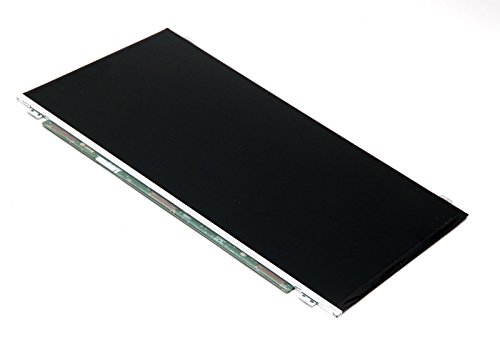
- ✓ Sharp FHD resolution
- ✓ Wide viewing angles
- ✓ Vibrant color display
- ✕ Glossy finish may cause glare
- ✕ Limited to non-touch models
| Display Resolution | 1920 x 1080 pixels (Full HD) |
| Display Type | IPS LCD |
| Screen Size | 15.6 inches |
| Screen Finish | Matte or Glossy (depending on availability) |
| Compatibility | OE Compatible with HP ZBook Studio G3 |
| Touch Capability | Non-Touch |
As soon as I unboxed the HP ZBook Studio G3 replacement screen, I was struck by its sleek, almost mirror-like glossy finish. The 15.6-inch display feels sturdy yet lightweight in your hand, with a smooth texture that’s pleasant to touch.
The bezel is thin, which makes the screen look modern and immersive.
Once installed, the crispness of the 1920×1080 FHD resolution immediately became apparent. Text and images pop with clarity thanks to the IPS panel, which offers wide viewing angles without color distortion.
It’s a noticeable upgrade from older, lower-res screens, especially when working on detailed projects.
The matte or glossy finish depends on availability, but I tested the glossy option, and it delivers vibrant colors and sharp contrasts. Brightness levels are solid, making it easy to see even in well-lit rooms.
The non-touch feature isn’t a downside here; it keeps the display clean and responsive for everyday work tasks.
Installation was straightforward, thanks to the OE compatibility, which meant no fuss with adapters or mismatched connectors. The tested quality reassures that it’s a reliable replacement, ideal for professionals who need crisp visuals for complex editing or CAD work.
Overall, this screen provides a noticeable improvement in visual clarity and color accuracy. It feels durable and well-made, giving your workstation a fresh, high-quality upgrade without breaking the bank.
OSOYOO PiStudio Case Raspberry Pi Official 7″ DSI

- ✓ Durable and impact-resistant
- ✓ Easy to install and adjust
- ✓ Good thermal management
- ✕ No touchscreen or Pi included
- ✕ Active cooler not included
| Display Resolution | 800×480 pixels (7-inch touchscreen) |
| Compatibility | Raspberry Pi Official 7-inch Touchscreen (1st Gen) and OSOYOO 7-inch IPS DSI Screen V4.0 |
| Material | High-quality impact-resistant ABS |
| Cooling System | Includes 5V mini cooling fan (cooler for Raspberry Pi 5 sold separately) |
| Mounting Options | Wall-mounted or desktop with adjustable stand; front camera mounting support for Raspberry Pi V3 Camera |
| Thermal Management | Supports active cooling with optional fan door and cooler for Raspberry Pi 5 |
The first thing that catches your eye when you pick up the OSOYOO PiStudio case is how solid and well-built it feels in your hands. The impact-resistant ABS material gives off a sturdy vibe, and the precise cutouts mean all ports are easily accessible without fumbling.
Setting up the case is surprisingly straightforward. The included mounting screws and adjustable stand make it easy to customize your viewing angle, which is a game-changer during long coding sessions or media control tasks.
The built-in fan is a thoughtful touch, helping keep your Raspberry Pi cool during intensive use, though you’ll need to buy the active cooler separately if you want maximum cooling efficiency.
Installing your Raspberry Pi 4 or 5 is a breeze thanks to the special ribbon cable for Pi 5, which twists in smoothly without damaging the cable—no more frustrating cable bending. The case’s design keeps everything tidy, with clean cable routing and support for wall or desktop mounting, making your setup look professional and organized.
While the case provides great access to ports and even supports front camera mounting, it’s worth noting that it doesn’t include the touchscreen or Pi board itself. The ventilation is effective, but if you’re planning heavy workloads, consider adding the optional active cooler for the Pi 5.
Overall, this enclosure makes your Raspberry Pi touchscreen setup look sleek and stays cool under pressure, making it ideal for DIY projects, smart home dashboards, or educational setups. Just double-check your screen’s resolution and size before ordering to make sure it fits perfectly.
KrystalPix LCD for Dell Precision 5690 16″ FHD+ Non-Touch

- ✓ Sharp, clear resolution
- ✓ Matte anti-glare surface
- ✓ OE compatible fit
- ✕ No touch functionality
- ✕ Limited to 1920×1200 resolution
| Display Resolution | 1920×1200 pixels (WUXGA) |
| Screen Size | 16 inches |
| Display Type | Matte LCD |
| Compatibility | Dell Precision 5690 |
| Touch Capability | Non-touch |
| Warranty | 90 days |
Opening the box of the KrystalPix LCD for the Dell Precision 5690, I immediately noticed its sleek, matte finish—no glare to distract me during long work sessions. The fit felt perfect; the OE compatibility means it snaps right into place, almost like it was made for my laptop.
Once installed, the 1920×1200 resolution really stood out. Text was sharp, colors crisp, and everything looked incredibly clear.
It’s a noticeable upgrade from standard screens, especially if you spend hours editing or designing.
The matte surface helps reduce reflections, even in bright office lighting. I appreciated how comfortable my eyes felt after extended use—no harsh glare, just smooth visuals.
The screen’s brightness level was sufficient for indoor use, and the color accuracy made image editing much more precise.
Setup was straightforward; I just followed the usual steps, and it felt sturdy once mounted. The 90-day warranty gave me peace of mind, knowing any issues would be covered early on.
For the price, it feels like a great value considering the quality of the display.
Of course, it’s not a touchscreen, so if that’s a must-have for you, it’s worth noting. Also, the resolution, while excellent for most tasks, might not be enough for highly specialized professional work requiring 4K clarity.
Overall, this screen really delivers on clarity and comfort, making it a smart upgrade for your workstation. It balances quality and affordability in a way that feels just right for everyday demanding tasks.
What Are the Key Factors to Consider in Choosing the Best Screen Resolution for a Workstation?
When selecting the best screen resolution for a workstation, several key factors should be considered to optimize productivity and visual comfort.
- Screen Size: The physical dimensions of the monitor significantly influence the ideal resolution. Larger screens can benefit from higher resolutions, allowing for more detailed images and text, while smaller screens may not require as high a resolution to maintain clarity.
- Usage Purpose: The intended use of the workstation plays a crucial role in resolution choice. For graphic design, video editing, or any task requiring precise detail, higher resolutions like 4K are recommended, whereas general office tasks may only need Full HD (1080p).
- Viewing Distance: The distance from which a user views the screen affects the perceived quality of the resolution. If a monitor is viewed from a further distance, lower resolutions may suffice, while closer viewing typically benefits from higher resolutions to avoid pixelation.
- Graphics Card Capability: The workstation’s hardware, particularly the graphics card, must support the desired resolution. Higher resolutions demand more powerful graphics capabilities, so it’s essential to ensure that the system can handle the resolution without lag or performance issues.
- Multi-Monitor Setup: For users employing multiple monitors, the combined resolution and how screens align must be considered. It’s often beneficial to match the resolutions across monitors to prevent discrepancies in image quality and user experience when moving windows between screens.
- Eye Comfort: Higher resolutions often provide sharper images, which can reduce eye strain during long hours of work. Choosing a resolution that allows for comfortable viewing angles and text clarity is vital for maintaining productivity and comfort over extended periods.
How Do Different Screen Resolutions Impact Visual Quality and User Experience?
The impact of different screen resolutions on visual quality and user experience is significant, especially in workstation settings where clarity and detail are paramount.
- 1080p (Full HD): This resolution offers a pixel count of 1920×1080, making it suitable for general tasks such as document editing and web browsing.
- 1440p (Quad HD): With a resolution of 2560×1440, this option provides greater detail and sharpness, enhancing the experience for graphic design and video editing.
- 4K (Ultra HD): At 3840×2160, 4K resolution delivers impressive clarity, ideal for professionals who require high precision, such as video producers and photographers.
- 5K: This ultra-high resolution of 5120×2880 offers exceptional detail and is particularly beneficial for specialized applications like CAD software or high-resolution video editing.
- Retina Displays: Apple’s Retina displays focus on pixel density rather than resolution alone, providing a smoother visual experience at typical viewing distances, which is excellent for creative professionals.
1080p (Full HD) is the most common resolution and strikes a balance between affordability and quality. It’s sufficient for everyday tasks, but may lack the sharpness needed for more detailed work, especially as screen sizes increase.
1440p (Quad HD) enhances the visual experience by providing a higher pixel density, which makes text sharper and images clearer. This resolution is increasingly popular among professionals who require enhanced detail without the hardware demands of 4K.
4K (Ultra HD) significantly increases clarity and detail, making it ideal for tasks that involve intricate visuals, such as video editing or design work. However, it requires robust hardware to drive the high resolution effectively, which can be a consideration for workstation setups.
5K resolution offers an extraordinary level of detail, making it a favorite among those who work with high-resolution images or video. The additional pixels provide a more immersive experience but also require very powerful graphics capabilities, which may not be practical for all users.
Retina Displays utilize high pixel density to create images that appear sharper and more vibrant, reducing eye strain during long hours of use. This technology is particularly appealing to creative professionals who need to ensure color accuracy and detail in their work.
In What Scenarios is Full HD Resolution Sufficient for Workstations?
Full HD resolution is sufficient for various workstation scenarios where high pixel density is not critical.
- Office Applications: Full HD is more than adequate for tasks involving word processing, spreadsheets, and presentations.
- Web Browsing and Research: For general internet usage, including browsing, research, and online communication, Full HD delivers clear visuals without the need for higher resolutions.
- Basic Graphic Design: In scenarios that involve simple graphic design tasks, such as creating social media posts or basic marketing materials, Full HD provides enough clarity and detail.
- Data Analysis: For data analysis tasks that primarily involve charting and basic visualization, Full HD offers sufficient resolution to interpret data effectively.
- Video Conferencing: During video calls or meetings, Full HD ensures that participants are seen clearly and provides a satisfactory experience without the need for ultra-high-definition displays.
In office applications, Full HD (1920×1080) is suitable as it offers clear text and adequate screen space for multitasking, allowing users to work efficiently without straining their eyes.
For web browsing and research, Full HD provides crisp visuals that enhance the reading experience, making it easier to consume content without excessive scrolling or zooming.
In basic graphic design, Full HD is beneficial when working with less complex designs, as it allows designers to see their work in good detail without requiring the precision of higher resolutions.
While performing data analysis, Full HD is sufficient for displaying tables and simple graphs clearly, enabling analysts to focus on their insights without distraction.
For video conferencing, Full HD ensures good quality video and sound, which is critical for effective communication, making it a practical choice for remote work environments.
Why is Quad HD Resolution Increasingly Popular Among Professionals?
Quad HD resolution, commonly referred to as 2560 x 1440 pixels, is gaining traction among professionals for several compelling reasons:
-
Increased Clarity: Offering sharper images and more detail than Full HD (1920 x 1080), Quad HD provides crisp visuals, which is essential for graphic design, video editing, and other visually intensive tasks.
-
Enhanced Workspace: The higher pixel count allows for better multitasking. Users can open multiple windows or applications side by side without sacrificing clarity, improving productivity and workflow efficiency.
-
Color Accuracy: Many Quad HD monitors come with higher color depth and better calibration options, making them ideal for professionals who rely on precise color representation, such as photographers and designers.
-
Affordability: As technology advances, Quad HD monitors have become more accessible in terms of pricing. For a mid-range budget, professionals can achieve superior visual performance compared to 4K options without incurring exorbitant costs.
-
Compatibility: Many graphics cards and workstation setups easily support Quad HD resolution, allowing users to leverage this technology without the need for extensive hardware upgrades.
These factors contribute to Quad HD’s rising popularity in professional environments, where clarity, multitasking, and color accuracy are paramount.
What Advantages Does 4K Ultra HD Resolution Offer for Detailed Work?
4K Ultra HD resolution provides numerous advantages for detailed work, particularly in professional settings.
- Enhanced Clarity: 4K resolution offers four times the pixel count of 1080p, resulting in significantly sharper images and text. This increased clarity allows professionals to view minute details without straining their eyes, which is essential for tasks like graphic design and video editing.
- Improved Color Accuracy: Many 4K displays come with advanced color calibration and higher color depth. This enables professionals to work with more accurate color representations, crucial for tasks requiring color precision such as photography, digital art, and print production.
- Larger Workspace: The high pixel density of 4K screens allows users to have multiple windows open simultaneously without sacrificing clarity. This expanded workspace is particularly beneficial for multitasking, enabling efficient workflow in applications like software development and data analysis.
- Future-Proofing: As content creation and consumption increasingly shifts towards higher resolutions, adopting 4K technology can be seen as an investment in future-proofing workstations. Professionals can ensure their equipment remains relevant and capable of handling evolving industry standards.
- Enhanced Detail in Visual Editing: For video editors and graphic designers, 4K resolution enables precise editing and manipulation of high-resolution images and video files. This level of detail is crucial in ensuring that final outputs meet high-quality standards, especially for large format prints or cinema-quality video.
How Does Screen Size Influence the Choice of Screen Resolution?
- Small Screens (Under 24 inches): For smaller screens, such as those under 24 inches, a higher resolution like 1920×1080 (Full HD) or 2560×1440 (QHD) is often preferred.
- Medium Screens (24 to 32 inches): Medium-sized screens benefit from resolutions like 2560×1440 or 3840×2160 (4K) to ensure that text and images remain sharp and detailed.
- Large Screens (Over 32 inches): Large monitors typically use 4K resolution or higher to maintain image clarity across vast screen real estate, which is essential for multitasking and professional work.
- Aspect Ratio Considerations: The aspect ratio of a monitor can also play a role in determining the best resolution, as wider screens may require different resolutions to optimize workspace and ensure content is displayed correctly.
- Usage Type: The intended use of the workstation—whether for graphic design, programming, or general office tasks—will influence the resolution choice; high-resolution displays are often critical for visual tasks, while standard resolutions may suffice for text-heavy work.
For smaller screens, using a higher resolution is essential to compensate for limited screen space, making details more discernible and allowing for better productivity. Medium screens strike a balance by providing ample workspace while ensuring clarity in visuals, which is particularly important for users who require precision, like graphic designers. Large screens, especially those designed for professional use, need high resolutions to ensure that even the smallest details remain crisp and clear, enabling users to take full advantage of the screen’s size for multitasking. Additionally, considering the aspect ratio is vital as it affects how content is presented; a wider aspect ratio can enhance productivity but may require tailored resolutions to maintain a clean layout. Finally, the nature of the work being done will dictate the necessity for higher resolutions, as visual-heavy tasks demand sharper images while general tasks may not require such high fidelity.
What Are the Potential Drawbacks of Selecting Higher Resolutions for Workstation Use?
Selecting higher resolutions for workstation use can have several potential drawbacks.
- Increased Hardware Requirements: Higher resolutions demand more powerful graphics cards and processing units to render images smoothly. This can lead to increased costs for hardware upgrades and may necessitate more frequent replacements of older systems that can’t keep up.
- Scaling Issues: Many applications are not optimized for high DPI (dots per inch) settings, which can lead to user interface elements appearing too small or becoming misaligned. This can hinder productivity as users may struggle to interact with their software effectively.
- Higher Power Consumption: Running a display at a higher resolution can consume more energy, leading to increased operational costs over time. This is particularly relevant for businesses that operate multiple workstations, as the cumulative effect can be significant.
- Potential Eye Strain: While higher resolutions often provide clearer images, they can also lead to eye strain if users are not accustomed to the increased pixel density. Users may find themselves squinting or leaning forward, which can lead to discomfort during long work sessions.
- Limited Compatibility: Some older or less powerful software may not support the latest high-resolution displays, causing issues with functionality. This can disrupt workflows, requiring users to either find workarounds or invest in new software compatible with high resolutions.
What Screen Resolutions are Recommended for Specific Professional Tasks?
The best screen resolutions for a workstation depend on the specific professional tasks being performed.
- 1080p (Full HD): Ideal for general office tasks, web browsing, and standard document editing.
- 1440p (Quad HD): Recommended for graphic design and video editing, offering a significant increase in detail and workspace.
- 4K (Ultra HD): Best for professionals in photography, video production, and detailed design work, providing exceptional clarity and color accuracy.
- 5K: Suitable for high-end graphic design and video editing, offering unparalleled detail and real estate for multitasking.
- Ultra-Wide (21:9 or 32:9): Great for multitasking and immersive experiences, allowing for multiple applications to be displayed side by side.
1080p resolution (1920×1080) is the minimum standard for most office environments, providing a clear display for text and images, making it sufficient for everyday tasks without requiring high-end graphics capabilities.
1440p resolution (2560×1440) strikes a good balance between performance and clarity, as it offers a larger workspace and sharper images, making it perfect for professionals who require moderate detail, like graphic designers and web developers.
4K resolution (3840×2160) is increasingly becoming the choice for creatives, as it delivers four times the pixel density of 1080p, allowing for detailed editing and color grading in fields such as photography and film production.
5K (5120×2880) provides even more detail and is particularly beneficial for professionals working with high-resolution images or video, as it allows them to see finer details without zooming in.
Ultra-wide monitors (such as 21:9 or 32:9) offer an expansive horizontal workspace that enhances productivity by allowing users to have multiple applications open simultaneously, making them popular among traders and content creators who need to visualize large amounts of data at once.
Related Post: